Founders, designers and thinkers changing the conversation in fashion and beauty. The women worth knowing, and why their work matters.
Fashion and beauty have always been shaped by women, but for a long time the people running the businesses looked very different from the people buying from them. That's changing. A generation of founders and designers is rethinking how clothes and products are made, sold and talked about. These are some of the names worth following.
Phoebe Philo
Few designers have a following like Phoebe Philo. Her years at Céline defined a certain kind of grown-up, intelligent dressing, and when she launched her own label in 2023 pieces sold out almost instantly. She stays off social media, rarely gives interviews and releases collections when they're ready rather than to a fashion calendar. That quiet confidence is its own kind of rule-breaking.
Grace Wales Bonner
The London designer blends European tailoring with references to Black history, music and culture, and has turned her label into one of the most respected in the world. Her collaborations with Adidas helped make the Samba a phenomenon long before it was everywhere on the high street. Her work proves clothes can carry real ideas without feeling like homework.
Priya Ahluwalia
Ahluwalia builds collections from deadstock and vintage fabric, often celebrating her Indian and Nigerian heritage. It's sustainable fashion that looks exciting rather than worthy, and she has picked up some of the industry's biggest awards along the way. She shows responsible design doesn't need to look beige.
Emma Grede
The London-born businesswoman co-founded Good American and is a founding partner at Skims. Her focus on inclusive sizing from day one, rather than as an afterthought, changed what customers expect from denim and shapewear. She's also one of the most visible Black female founders in the industry, and talks openly about the obstacles.
The best rule-breakers don't shout about it. They just build something better.
Sharmadean Reid
She started WAH Nails in east London and helped turn nail art into a mainstream obsession. Since then she has built tech businesses aimed at helping women in beauty run their own businesses. Her work is a reminder that the beauty industry is full of self-employed women who deserve better tools and better pay.
Bethany Williams
Bethany Williams works with charities and community projects, uses recycled materials and pays fairly at every stage. Her collections are joyful, colourful and handmade, and she has won major British design awards. She's proof a fashion label can be a force for good without losing any of its spark.
Charlotte Tilbury
The make-up artist turned founder built one of Britain's most successful beauty brands from scratch. Charlotte Tilbury products like Pillow Talk and Magic Cream became bestsellers through word of mouth as much as advertising. Her success opened doors for other artist-led brands and showed British beauty could compete anywhere.
The ones coming next
Beyond the big names, there's a wave of smaller founders doing interesting things. Independent jewellers using recycled gold, skincare brands designed for melanin-rich skin, rental platforms like By Rotation that let you borrow rather than buy. Supporting them is easy. Follow, share and buy something when you can.
Why it matters
When the people making decisions reflect the people buying, products get better. Sizes become more inclusive, shade ranges get wider and campaigns look like real life. It also changes what success looks like, with more weight on community, fair pay and the long term rather than the next viral moment.
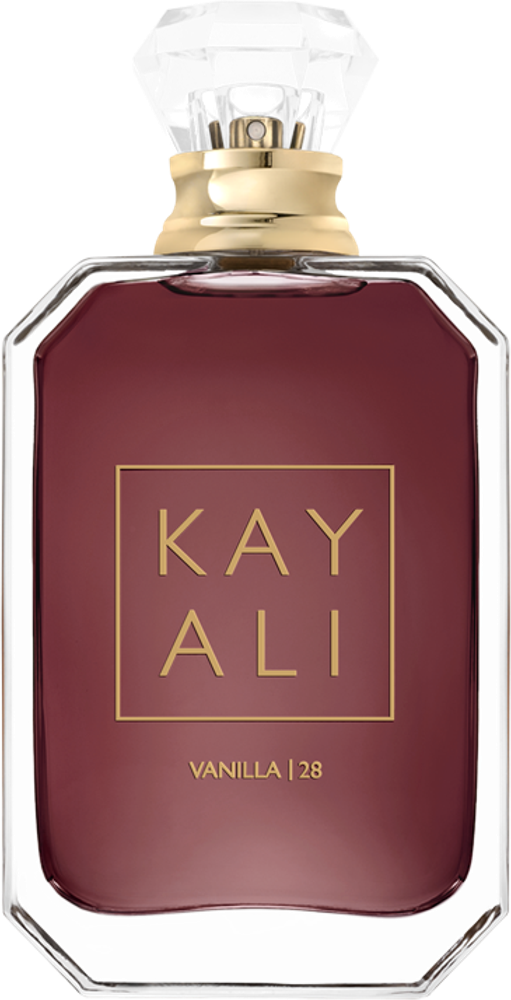
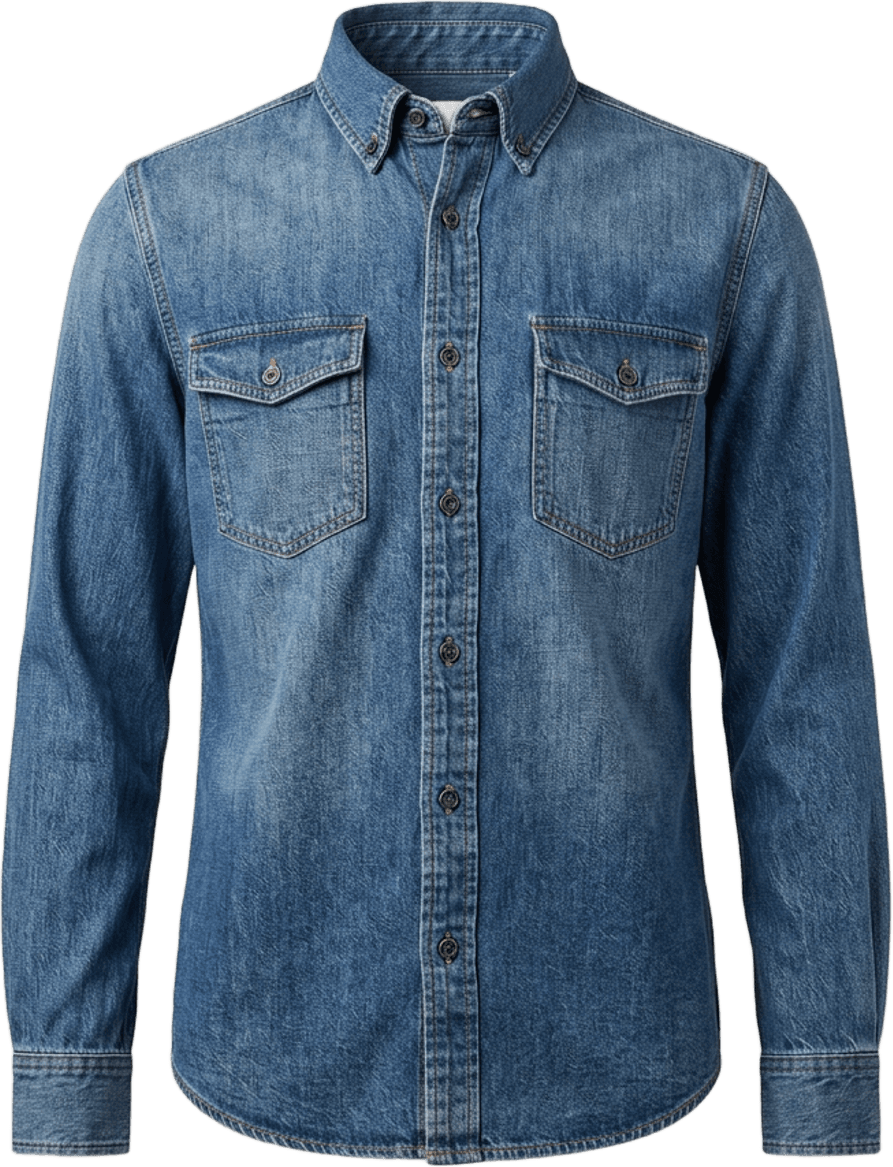
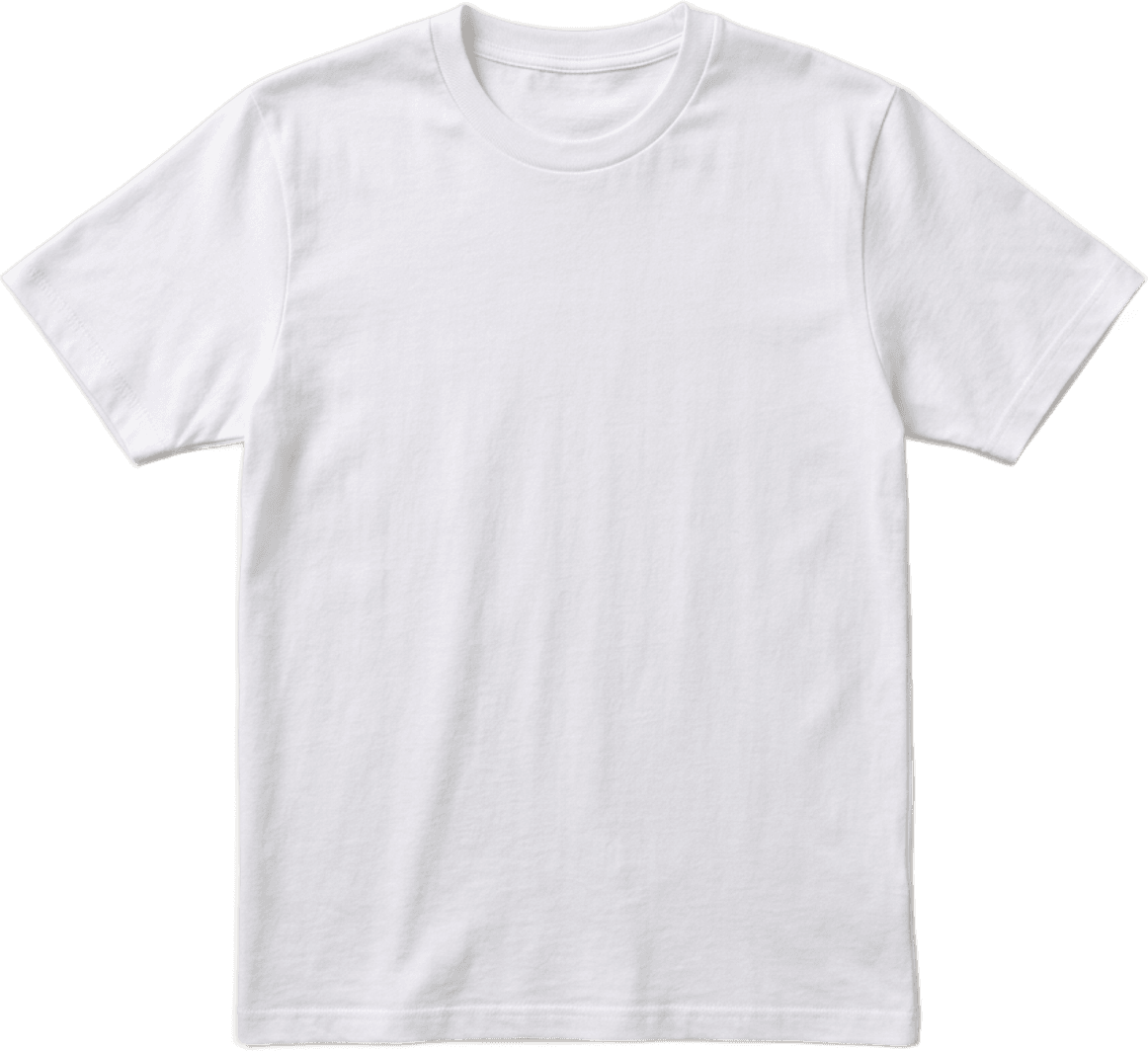
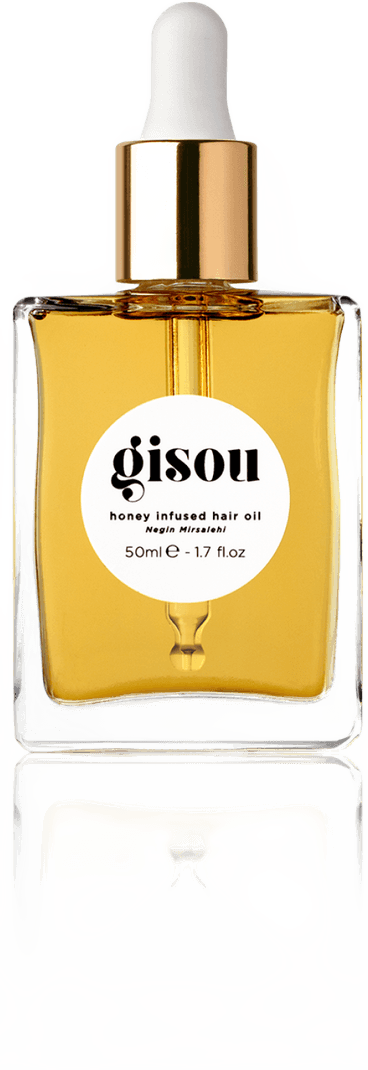
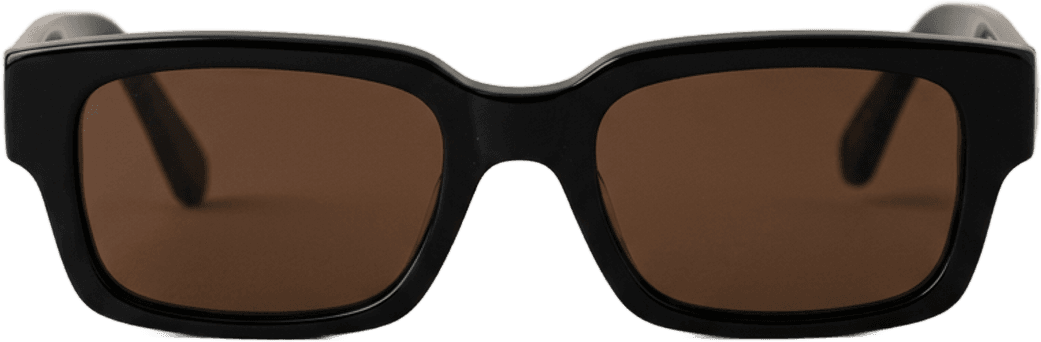
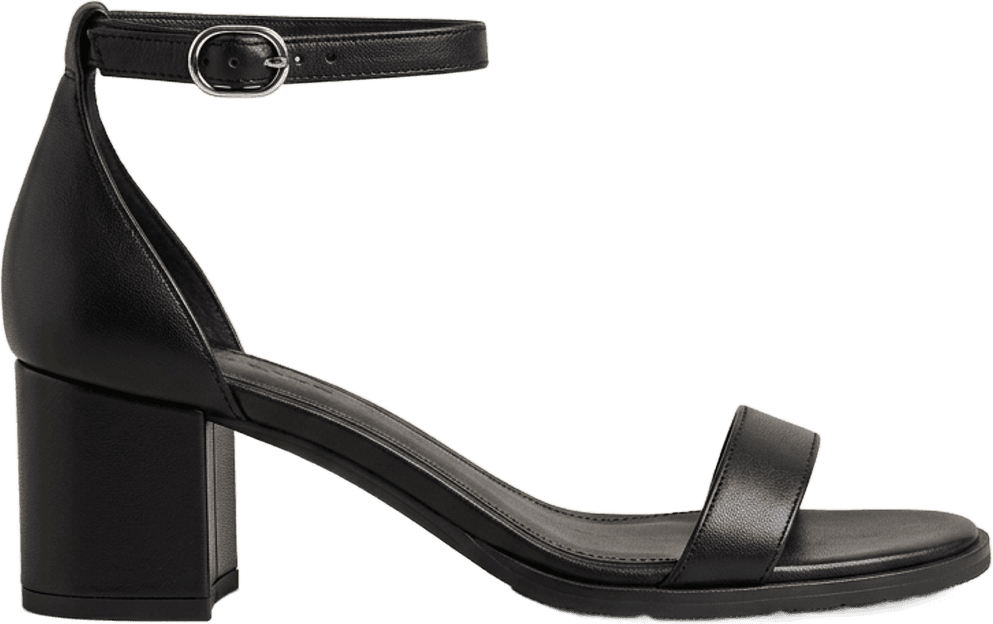
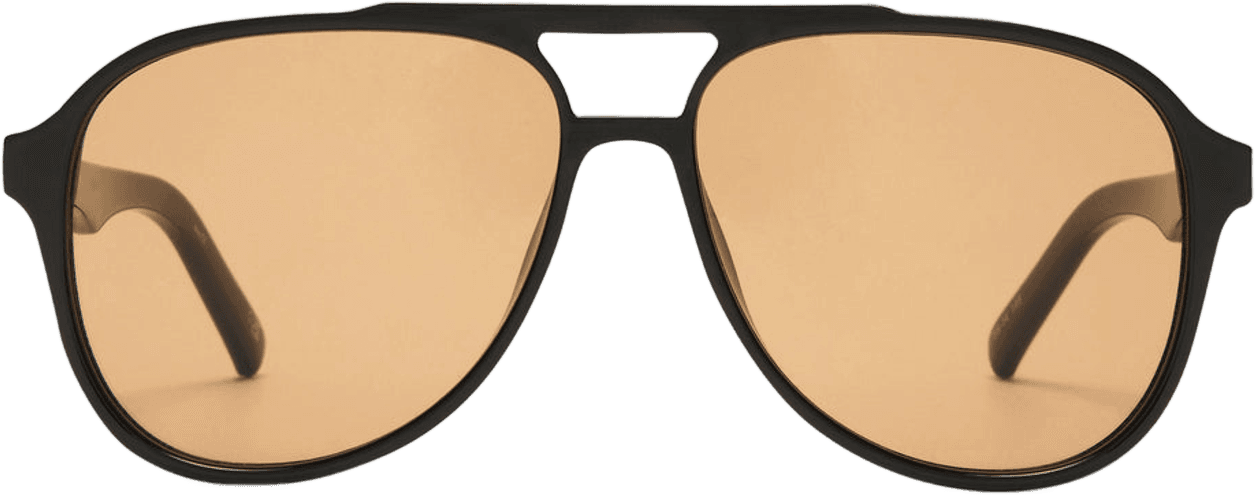
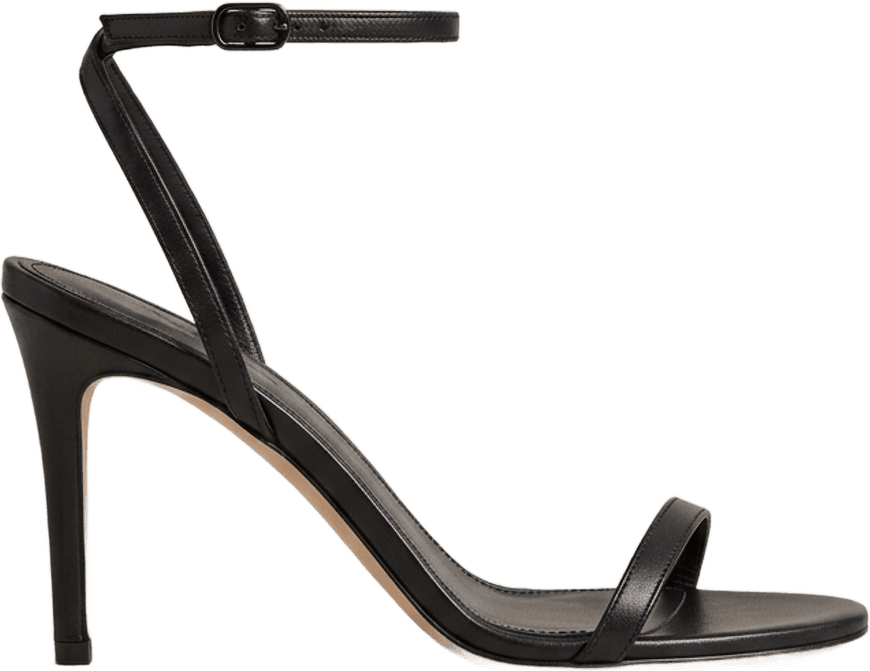
Our edit below picks out pieces from the founders and designers on this list, so you can support their work directly.
What they have in common
Very different businesses, but a few patterns repeat. Each of them started with a clear point of view rather than a gap in the market. Philo designs for women who want to be taken seriously. Grede built inclusive sizing into Good American from day one instead of adding it later. Ahluwalia and Williams treat waste and community as part of the design brief, not a marketing line.
They also tend to own their own audience. Newsletters, communities and direct sales mean they rely less on department stores or algorithms, which gives them room to take risks. If you want to support that kind of business, buying direct from the brand is the most useful thing you can do.
Share this
More from Lifestyle
View all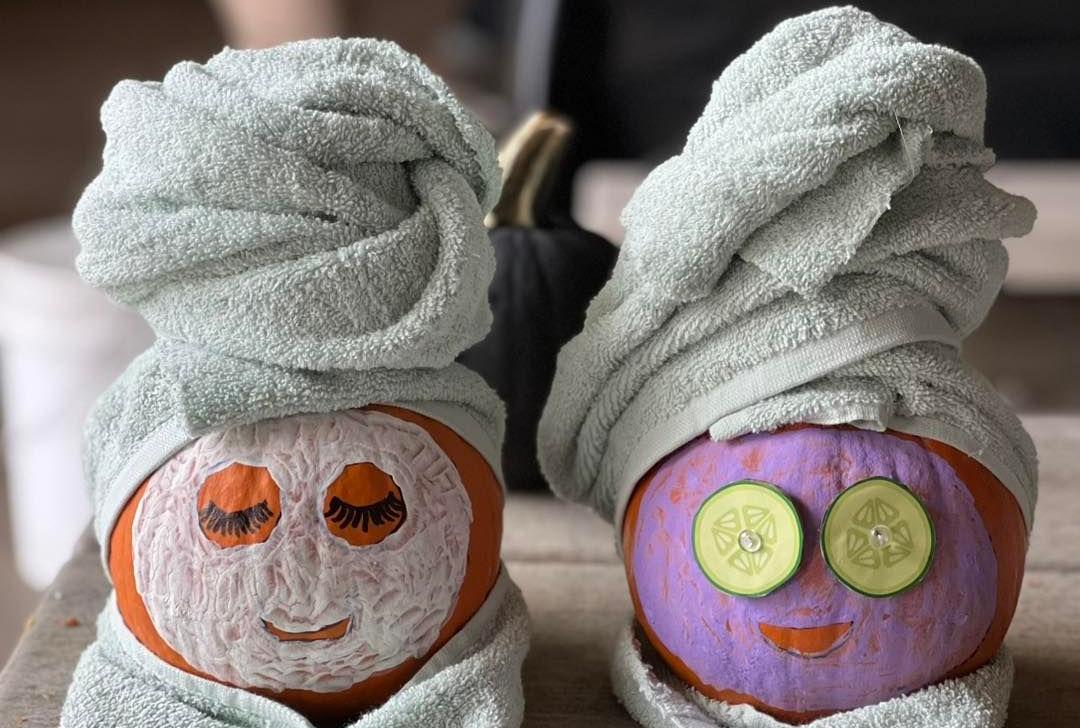
Lifestyle
Pumpkin Carving for People With Taste: Designer-Inspired Pumpkins to Try This Weekend
Read more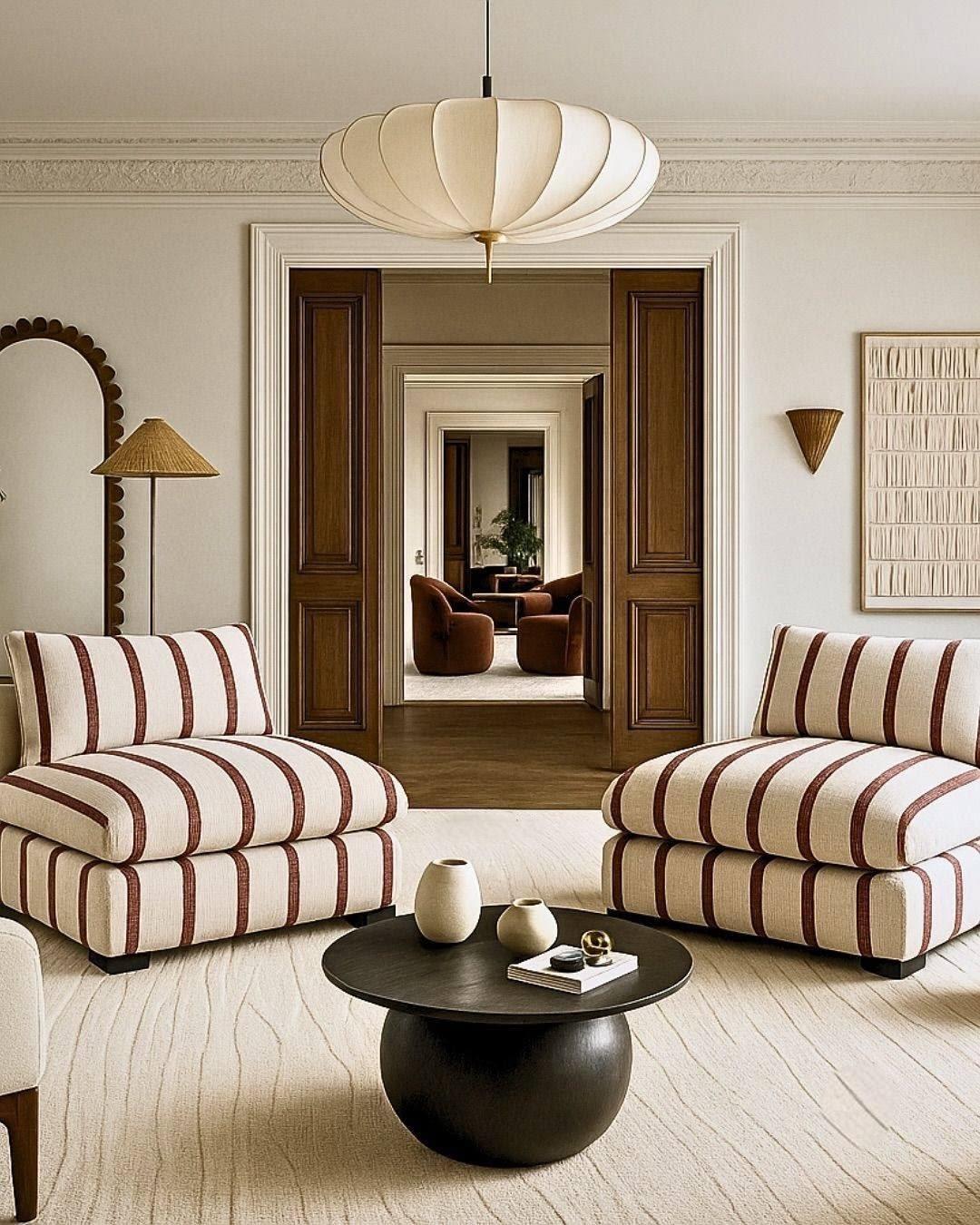
Lifestyle
The Sunday Reset Routine That Makes Monday Feel Easy
Read more
Lifestyle
City guide: where to eat, stay & unwind
Read more
Lifestyle
Voices defining tomorrow
Read more
Lifestyle
Living beautifully, every day
Read more
Lifestyle
The ultimate guide to linen
Read more