
The Winter Skincare Routine Dermatologists Actually Swear By
Derm-approved, from first frost to spring.
The heating's on, the wind is biting and your skin has gone from glowy to grumpy overnight. Winter is the season when even the most well-behaved complexion starts misbehaving. The good news? Fixing it doesn't mean buying everything. It means doing a few things really well.
Every dermatologist will tell you the same thing: in winter, your number one job is protecting your skin barrier. That's the outer layer that keeps moisture in and irritants out. Cold air outside and dry central heating inside both strip it, which is why skin suddenly feels tight, looks dull and stings when you apply products that were fine in August.
So this season, think less is more: gentler cleansing, richer moisture and fewer actives. Here's exactly how to do it.
Step one
Swap to a gentle, non-foaming cleanser
That squeaky-clean feeling? It's your skin crying for help. Foaming cleansers often strip the natural oils your barrier needs, so switch to a cream, milk or balm formula for winter, and wash with lukewarm (never hot) water.
The derm favourite: CeraVe Hydrating Cleanser. It's affordable, fragrance-free and packed with ceramides, so it cleans without leaving skin tight. If you wear make-up, melt it off first with a cleansing balm, then follow with your gentle cleanser.
Step two
Layer hydration while skin is still damp
Here's the trick most people miss: apply your serum and moisturiser to slightly damp skin. Hydrating ingredients like hyaluronic acid and glycerin pull water into the skin, and damp skin gives them more to work with.
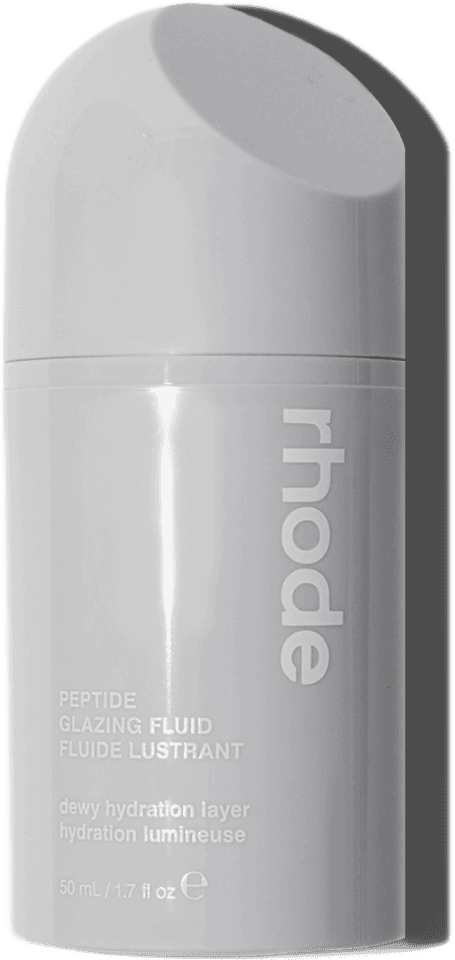
Look for serums with hyaluronic acid, glycerin, panthenol or peptides. A milky, glazing fluid that sinks in fast and leaves a just-had-a-facial glow is perfect under make-up on dark mornings.
In winter, your skin barrier is the whole game. Protect it and everything else gets easier.
Step three
Go richer with your moisturiser
Your lightweight summer gel cream won't cut it now. Winter skin needs a moisturiser with three things: humectants to draw in water, emollients to smooth, and occlusives to seal it all in. Ceramides, squalane and shea butter are the ingredients to look out for.
CeraVe Moisturising Cream is a cult classic for good reason. For angry, red or flaky patches, dermatologists reach for La Roche-Posay Cicaplast Baume B5+, the closest thing to a plaster in a tube.
Step four
Yes, you still need SPF
Grey skies don't stop UVA rays. They pass through cloud and windows and are the biggest cause of premature ageing and pigmentation. Make broad-spectrum SPF 30 to 50 the last step of your morning routine, every day. La Roche-Posay Anthelios UVMune 400 is a lightweight fluid that layers beautifully under foundation.
Step five
Dial back the actives
Retinoids, exfoliating acids and vitamin C still have a place in winter, but your barrier is already under pressure. Follow these simple rules:
Retinol: use it two or three nights a week, not every night, and try the "sandwich" method: moisturiser, retinol, then moisturiser again.
Acids: swap gritty scrubs and strong peels for a gentle lactic acid or PHA once or twice a week.
Never on the same night: don't use retinol and acids together. Your skin will thank you.
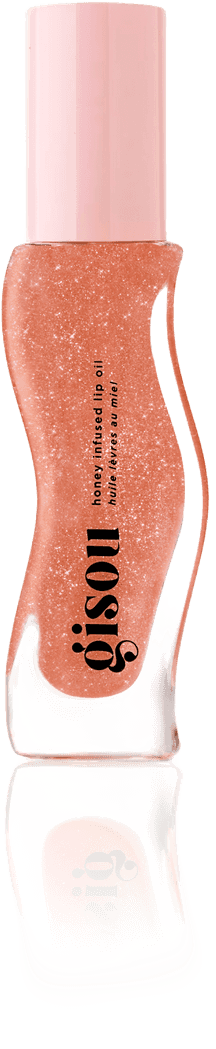
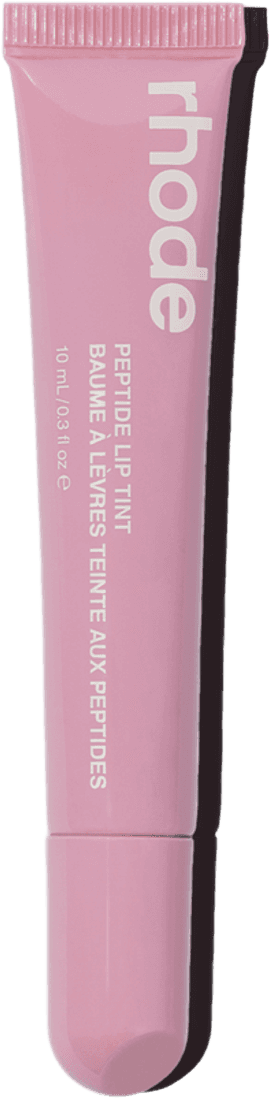
Shop our winter skin heroes


The extras
Small habits that make a big difference
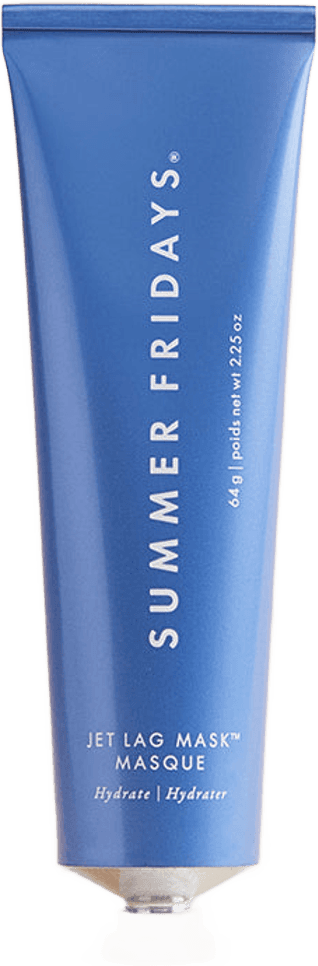
Mask once a week. A rich overnight mask on a Sunday is the fastest way to bring back bounce after a long week of heating and early starts.
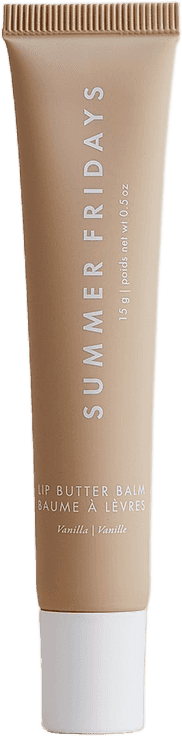
Don't forget your lips. They have no oil glands, so they're first to crack. Keep a balm in every bag and slather on a thick layer before bed.
Get a humidifier. Even a small one by the bed adds moisture back into the air while you sleep. It's the most underrated skincare buy there is.
Turn the shower down. Long, hot showers feel amazing in January but strip skin all over. Keep them warm and short, then moisturise within three minutes of getting out.
Your winter routine, at a glance
Morning: gentle cleanse, hydrating serum, rich moisturiser, SPF.
Evening: balm cleanse, gentle cleanse, serum or retinol (two to three times a week), barrier cream.
Weekly: a gentle exfoliant once, a hydrating mask once.
Stick with it for two weeks and you'll notice the difference: less tightness, fewer flaky patches and that healthy glow back where it belongs. If your skin is still red, itchy or sore after that, book in with a GP or dermatologist, as it could be eczema or rosacea flaring up.
The mistakes
Three habits to drop this winter
Switching products every week. Skin takes around a month to renew itself, so nothing gets a fair trial in seven days. Pick a routine and give it a proper run before you judge it.
Sitting with your face by the radiator. It feels lovely and it dries you out like a raisin. Move the desk if you can, or at least keep a mist and a balm within reach.
Assuming oily skin doesn't need moisture. It does, especially in winter. Dehydrated oily skin often produces more oil to compensate, so a light, ceramide-rich cream can actually calm things down.
Stay inspired
Stories, style and insight.
Share this
More from Beauty
View all
Beauty
The 8 Autumn Winter Nail Colours That Always Look Chic
Read more
Beauty
The 10 Make-up Bag Essentials Every Woman Actually Needs
Read more
Beauty
The SPF edit: our summer essentials
Read more
Beauty
Skincare with standards
Read more
Beauty
10 of the best new serums for every skin type
Read more
Beauty
The fragrances everyone is wearing this winter
Read more