Clean formulas, real results and no greenwashing. How to tell a brand with genuine standards from one with a good marketing team.
Walk into any Boots and half the shelf will tell you it's clean, natural, conscious or pure. None of those words has a legal definition in the UK. A product can call itself clean while being full of fragrance, and natural doesn't automatically mean gentle. Poison ivy is natural. The brands worth your money are the ones that back their claims up with evidence.
What clean should mean
A sensible definition of clean skincare is a product that's well formulated, safe, tested and honest about what's inside. That's it. It doesn't mean free from every synthetic ingredient. Many lab-made ingredients, like niacinamide and hyaluronic acid, are gentle and effective. Preservatives exist to stop your moisturiser growing mould, which is a good thing.
Spotting greenwashing
Watch for vague claims with nothing behind them. Eco-friendly packaging that's still plastic. Earth tones and leaf logos on a product that's mostly water and fragrance. Free-from lists naming ingredients nobody was worried about. A brand with real standards will tell you exactly what's in the bottle, at what percentage, and where it was made.
Brands doing it properly
The Ordinary built a whole business on transparency, listing active percentages on the bottle at prices that embarrass the competition. Paula's Choice publishes the research behind its formulas. Typology and Pai are good if you want short ingredient lists and a lighter footprint. Medik8 is serious about stable, effective vitamin C and retinal.
Certifications that mean something
Look for the Leaping Bunny logo for cruelty-free products, which is independently checked. The Vegan Society trademark confirms no animal ingredients. COSMOS Organic and Soil Association certifications are strict about organic content. B Corp status covers the whole business, from supply chain to how staff are treated. Anything else is usually the brand marking its own homework.
Read the ingredients list, not the front of the bottle.
Packaging matters
Refills are one of the most useful changes a beauty brand can make. Rituals and Kiehl's both offer them on popular products. Glass and aluminium are easier to recycle than mixed plastics. Pumps are hard to recycle, so take them off before the bottle goes in the bin. Some shops run in-store recycling schemes for empties, so it's worth asking.
Fewer products, better results
The most sustainable routine is a short one. A gentle cleanser, an active serum, a moisturiser and SPF covers most skin. Ten-step routines create waste, cost a fortune and often irritate skin by layering too many actives. If the bathroom shelf is overflowing, use up what you have before buying anything new.
Sensitive skin, honest choices
If your skin reacts easily, fragrance is the most common culprit, natural or synthetic. Essential oils can be just as irritating as perfume. Look for fragrance-free rather than unscented, which can still contain masking scents. La Roche-Posay, Avène and CeraVe make excellent, affordable options that dermatologists trust.
Price isn't proof
An expensive cream isn't automatically better. Often you're paying for the jar, the advertising and the name. Some of the best formulas cost under £20. That said, a few premium brands do invest heavily in research and stable ingredients. Judge on the ingredient list and the results, not the price tag or whoever is promoting it.
Ask questions
Good brands welcome questions. Email them about where ingredients come from, how products are tested and what happens to the packaging. If the answers are vague or slow, that tells you something. If they're clear and detailed, you've probably found a brand worth sticking with.
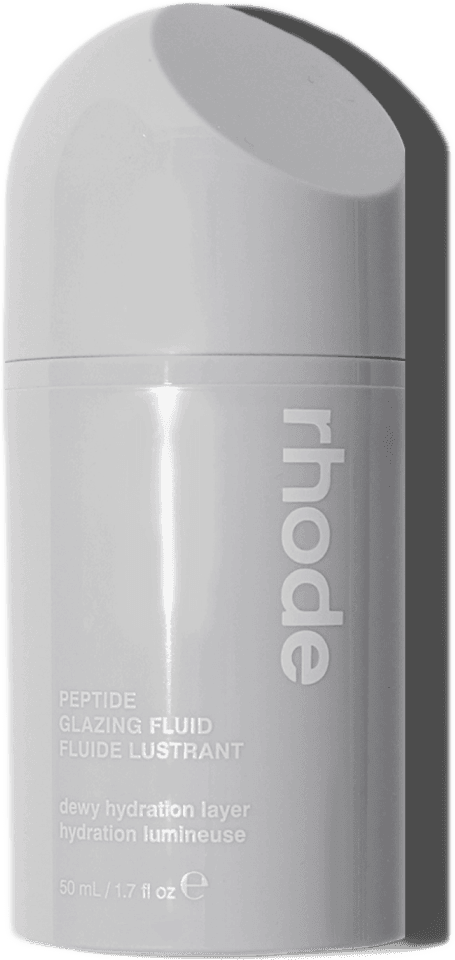
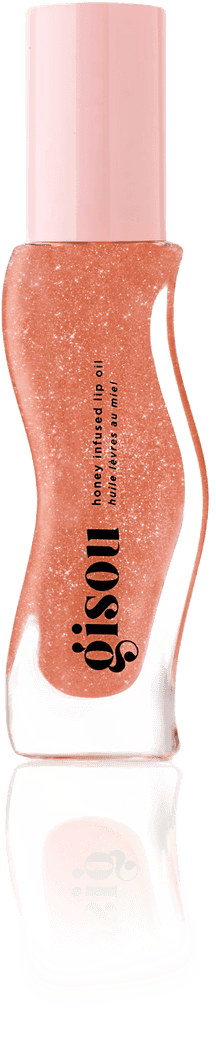
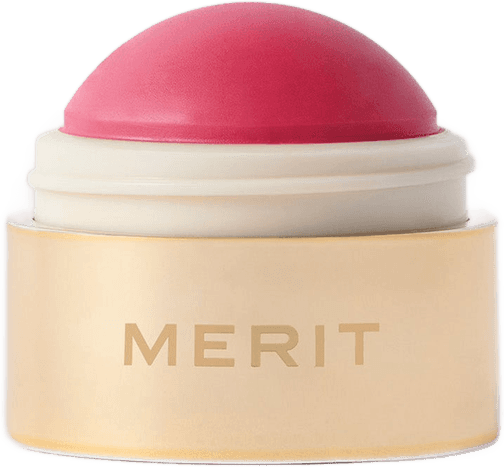
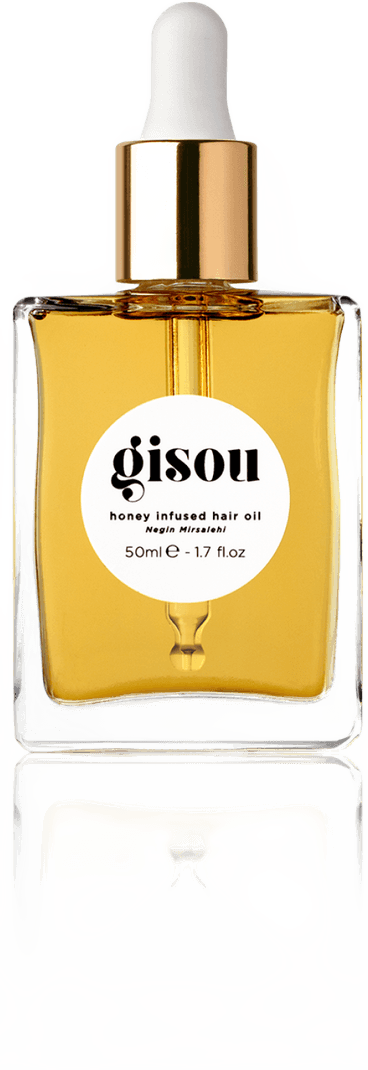
Our edit below picks out the skincare brands that walk the talk, with formulas that work and claims that stand up.
How to read an ingredients list
Ingredients are listed in order of concentration, from most to least, down to about one percent. After that they can appear in any order. So if a serum is sold on vitamin C and it shows up near the bottom, below the preservatives, there isn't much of it in there. Fragrance is usually listed as parfum, and essential oils often appear as limonene or linalool. If your skin reacts easily, those are the first things to look for. Check the bottom of the list too, where the allergens tend to hide.
Share this
More from Beauty
View all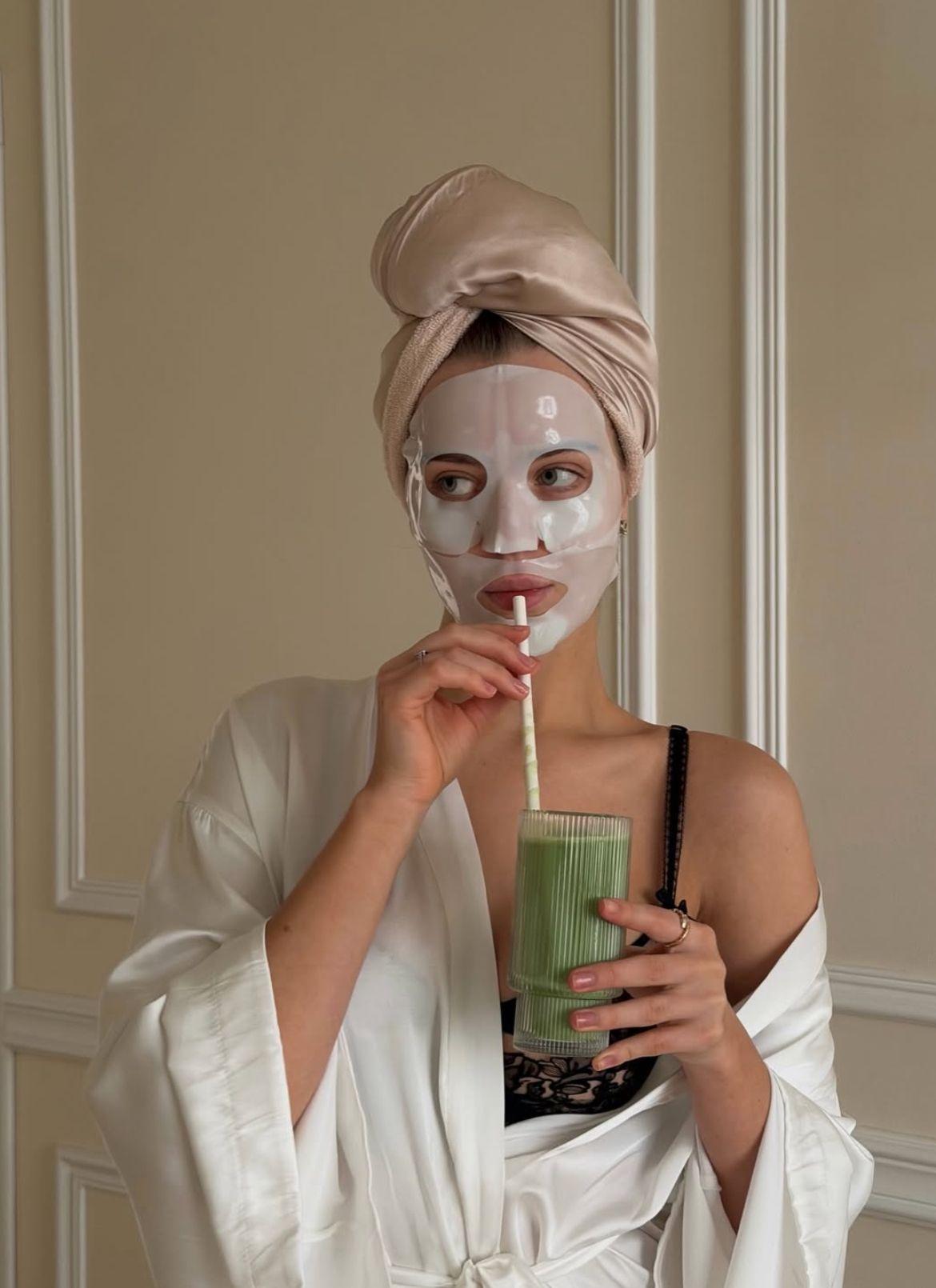
Beauty
Your Autumn Face: The Skincare and Make-up Routine for Cold Mornings and Central Heating
Read more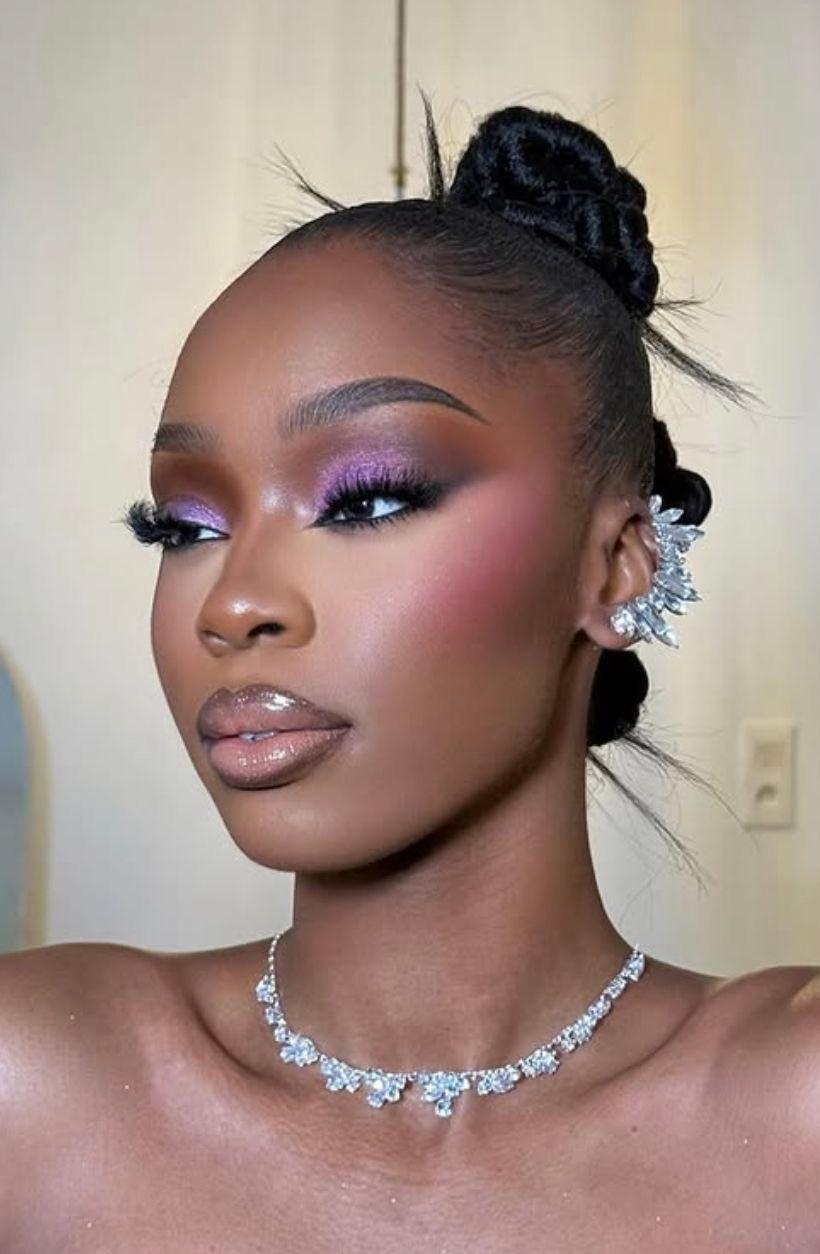
Beauty
Autumn Eyeshadow: 8 Looks in Bronze, Plum and Smoke That Anyone Can Do
Read more
Beauty
The Autumn Lip Edit: 10 Lipsticks, Glosses and Oils for Darker Evenings
Read more
Beauty
The Best Hydrating Serums for Dry Skin, From Boots to Space NK
Read more
Beauty
The Blush Edit: Liquid, Cream or Powder, and the Ones Actually Worth Buying
Read more
Beauty
Hand Serum Heroes: Why Your Hands Deserve More Than Hand Cream
Read more
Beauty
Haircuts 2026: The 'Mouse' Haircut and 9 Other Looks to Book This Season
Read more
Beauty
Jessica Chastain's Blonde Bob: The Cut, Colour and Products to Show Your Stylist
Read more