Fewer, better things. It sounds easy until you're standing in front of a full wardrobe with nothing to wear. Here's how to make it work in real life.
Minimalism has a reputation problem. Say the word and people picture a white room, a single chair and someone in a grey T-shirt who hasn't smiled since 2014. In practice, a minimal wardrobe is simply one that works hard. Every piece earns its place, goes with most of the others and gets worn often enough to justify the hanger.
Start by taking things out
Before buying anything, empty the wardrobe onto the bed. Sort it into three piles: wear every week, wear sometimes, never wear. Be honest about the last pile. The dress bought for a wedding in 2019, the jeans that will fit again one day, the jumper that itches. Sell the good stuff on Vinted, donate the rest and don't feel guilty. What's left is the start of your edit.
Pick a palette and stick to it
The secret of every good minimal wardrobe is colour discipline. Choose two or three base shades, such as navy, cream and grey, or black, camel and white, and buy almost everything within them. Add one accent colour you love. Suddenly everything matches everything, and getting dressed takes two minutes instead of twenty. It also makes shopping far easier, because anything outside the palette is an instant no.
Proportion is everything
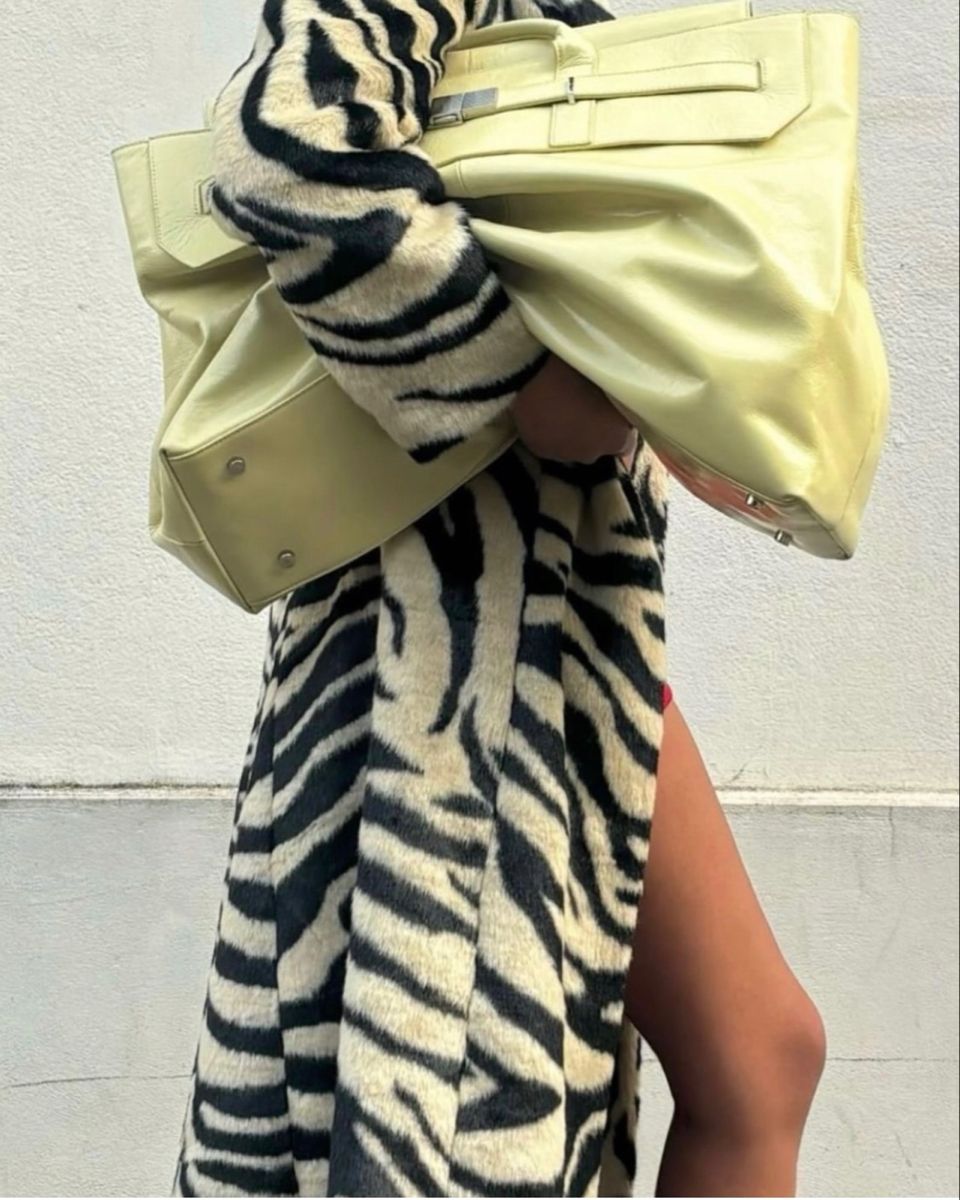
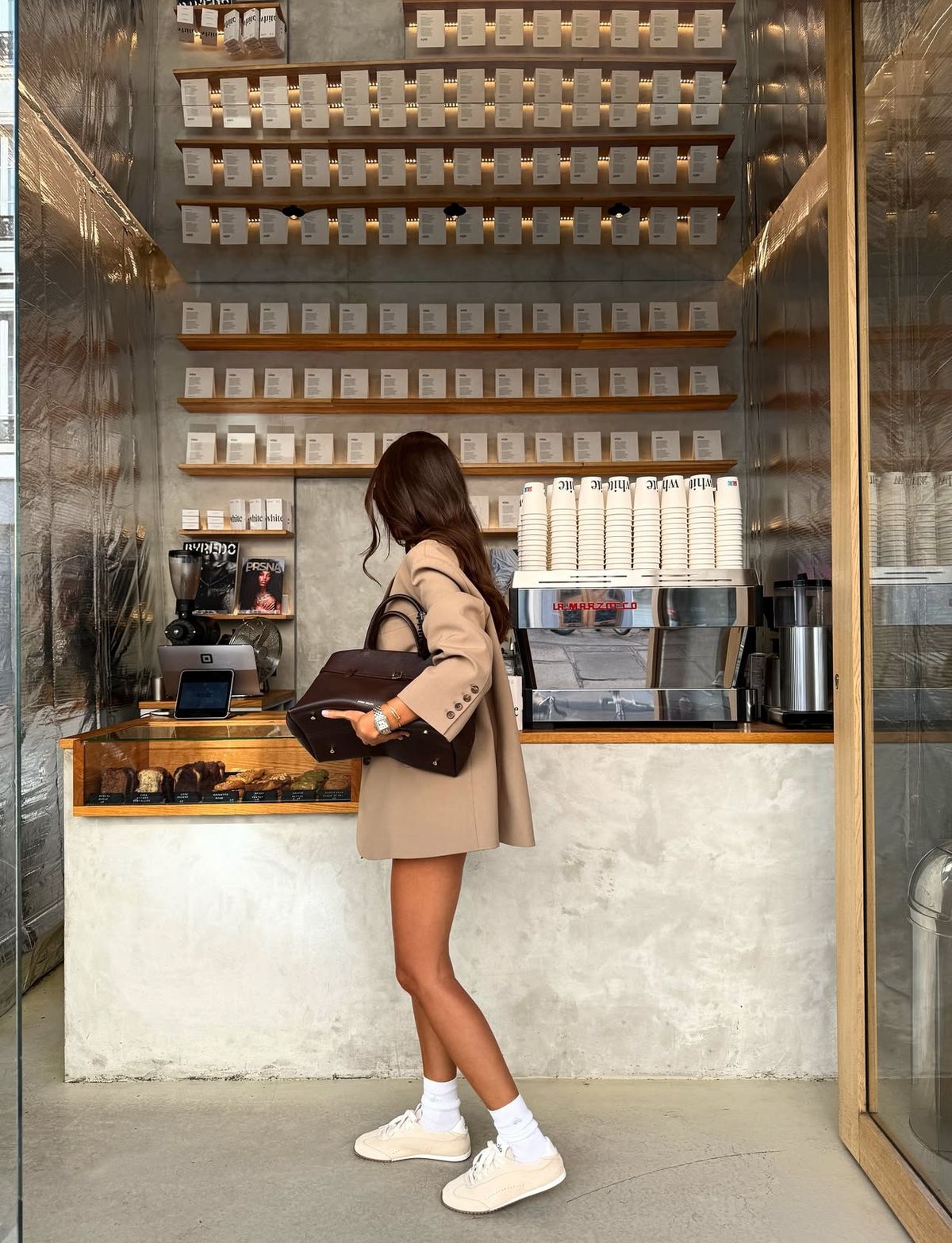
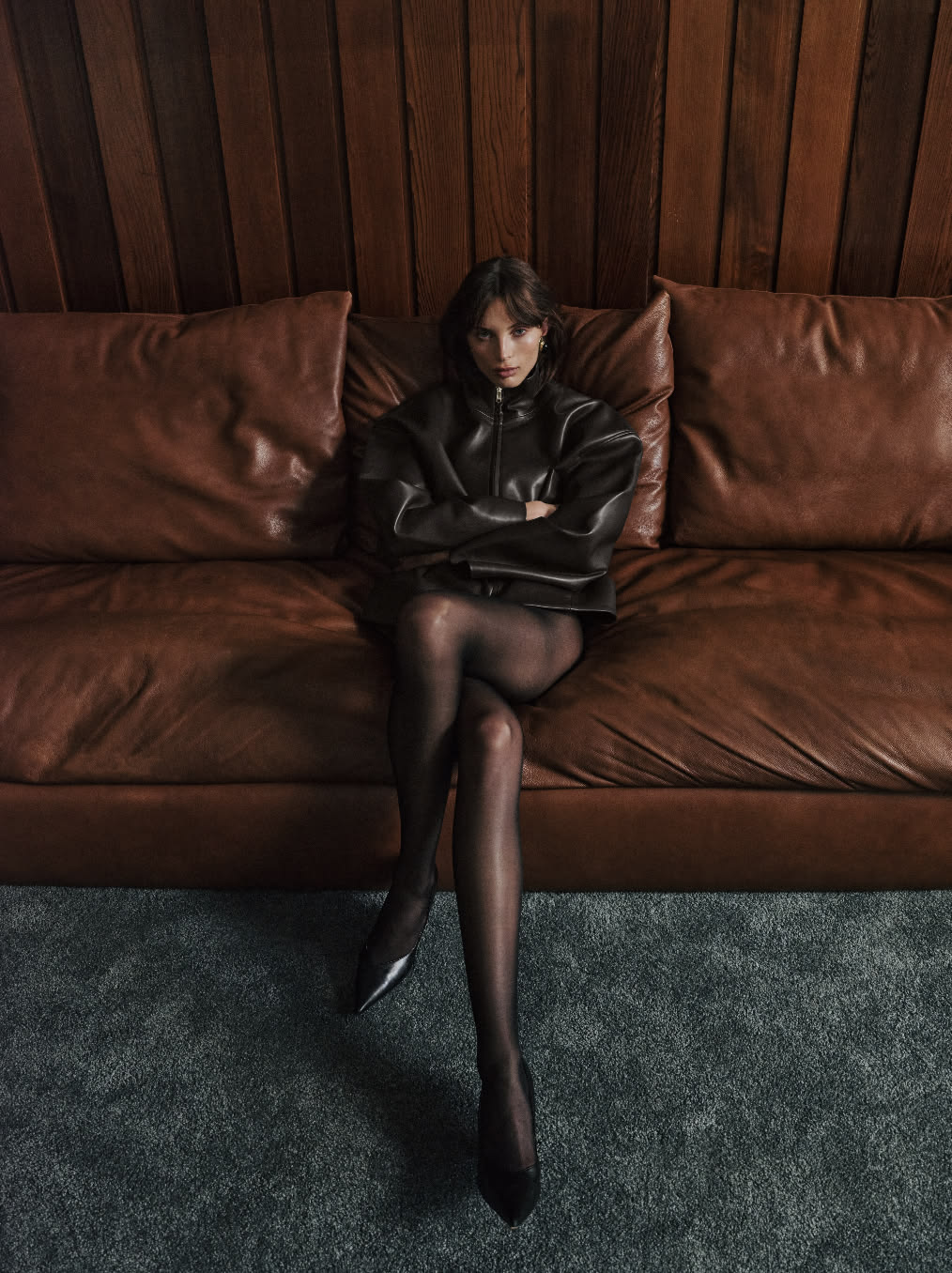
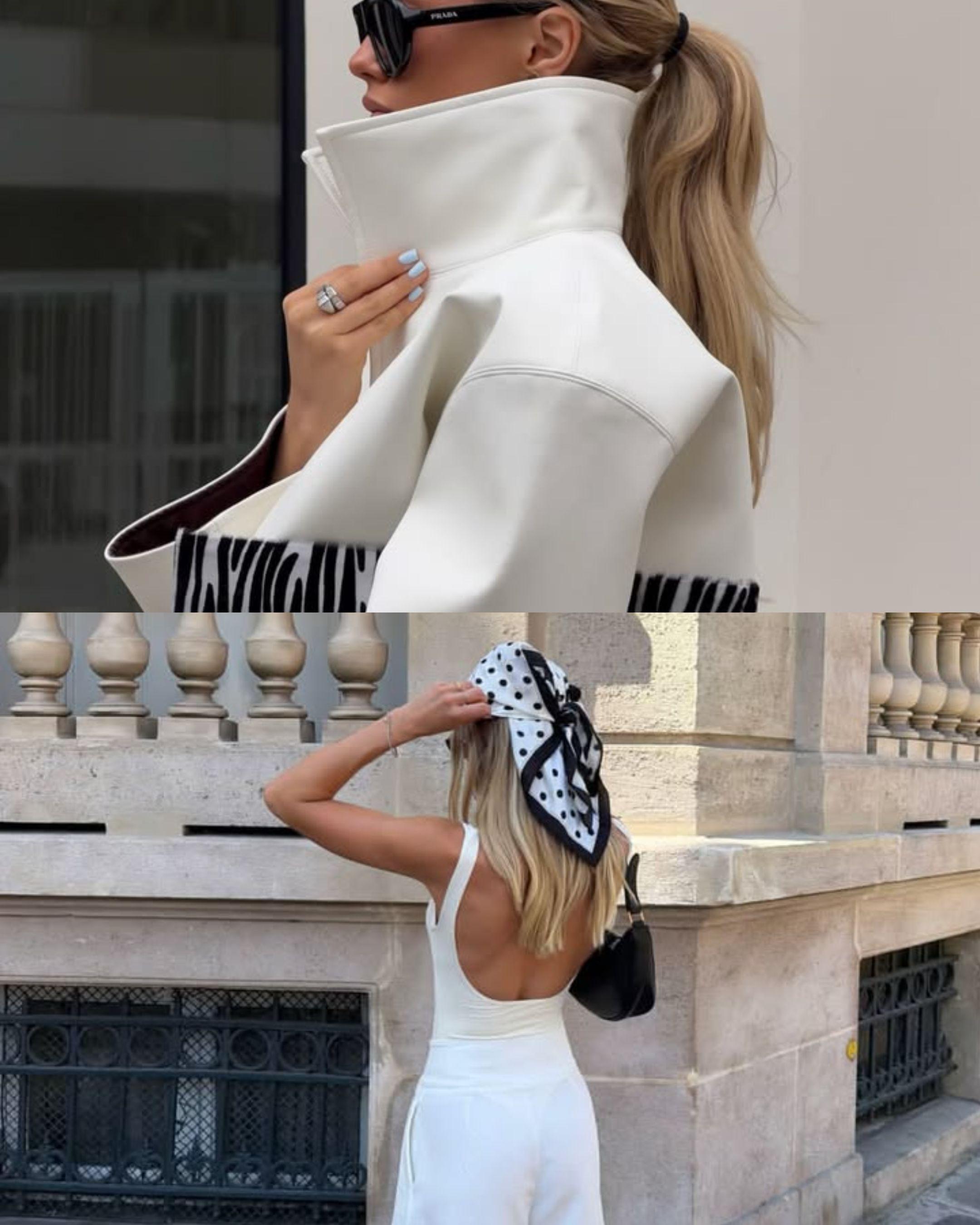
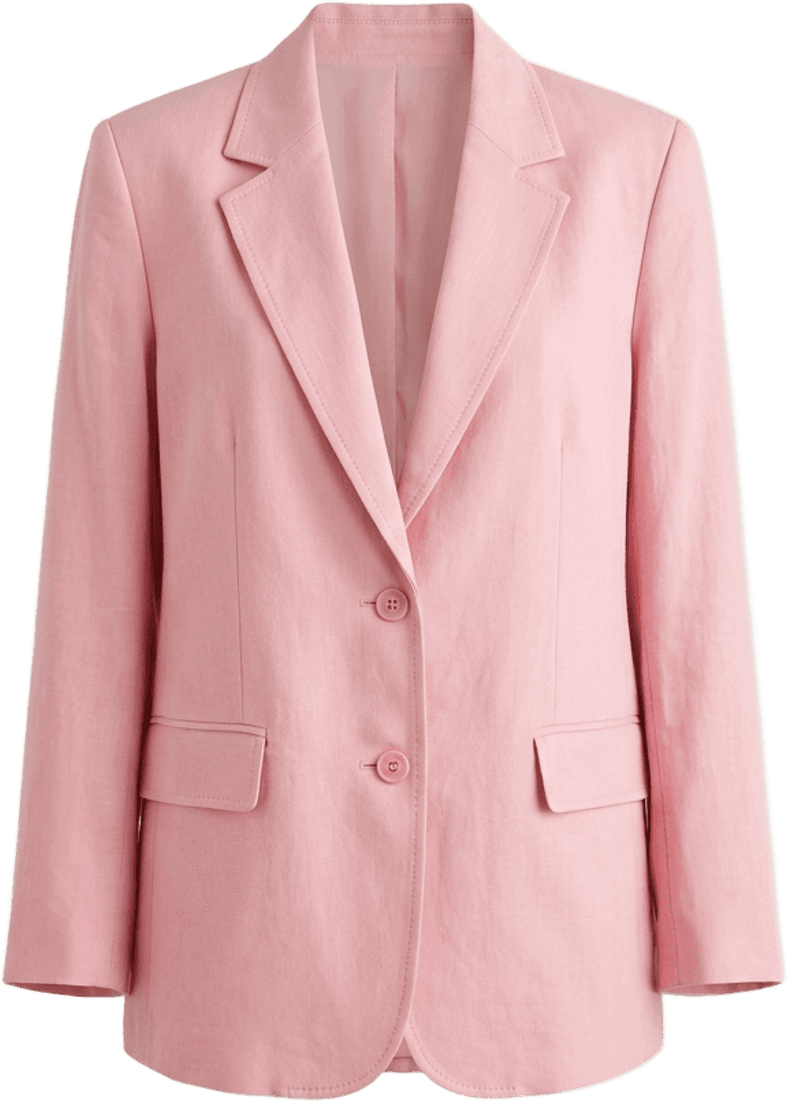
When there's no print or logo to hide behind, the shape has to be right. Wide trousers with a fitted knit. A boxy jacket with a slim skirt. A long coat over something short. Play one volume against another and simple clothes start to look deliberate. COS and Arket are excellent at this, and Toteme is the name to study if you want to see it done at the top end.
Texture stops it looking flat
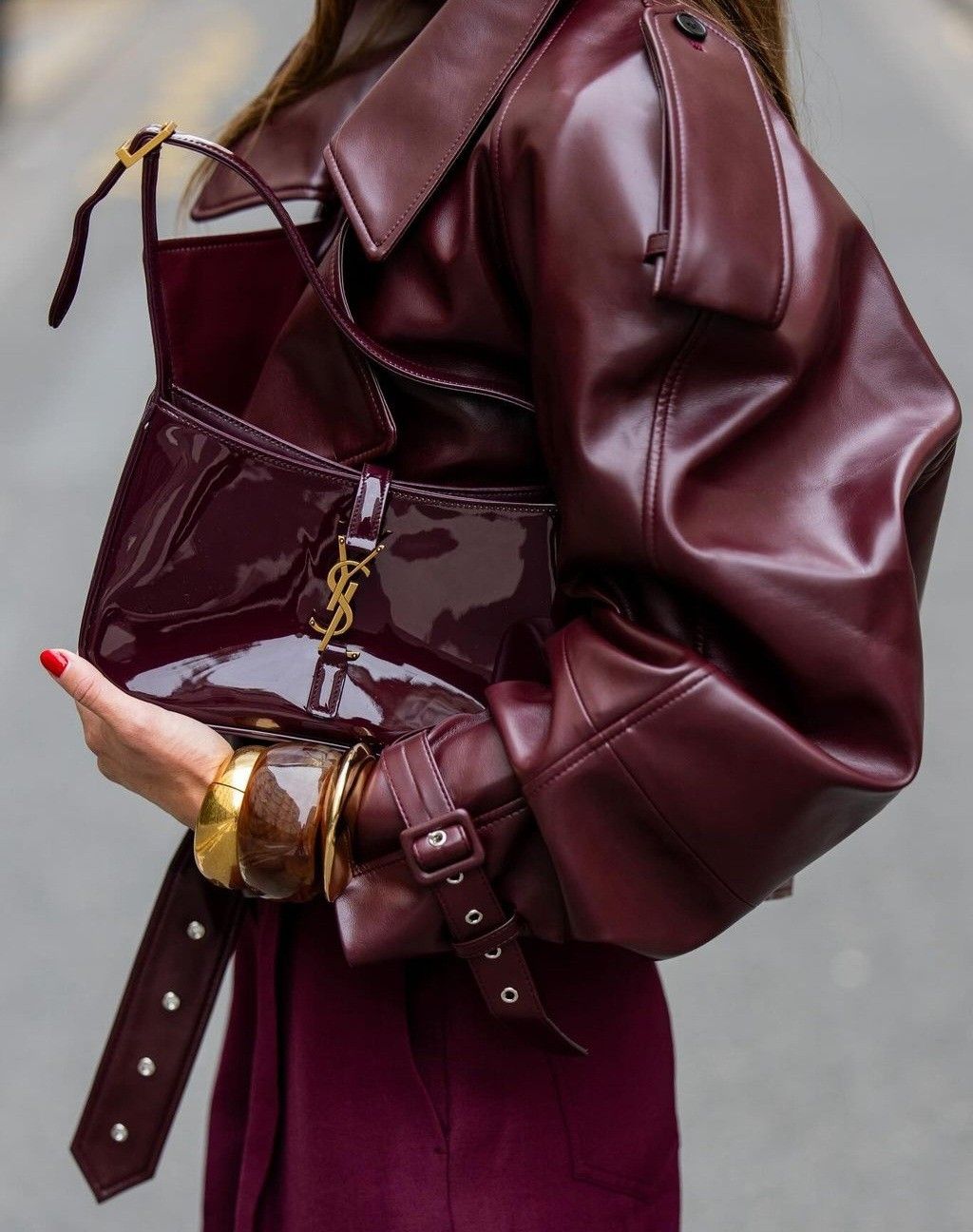
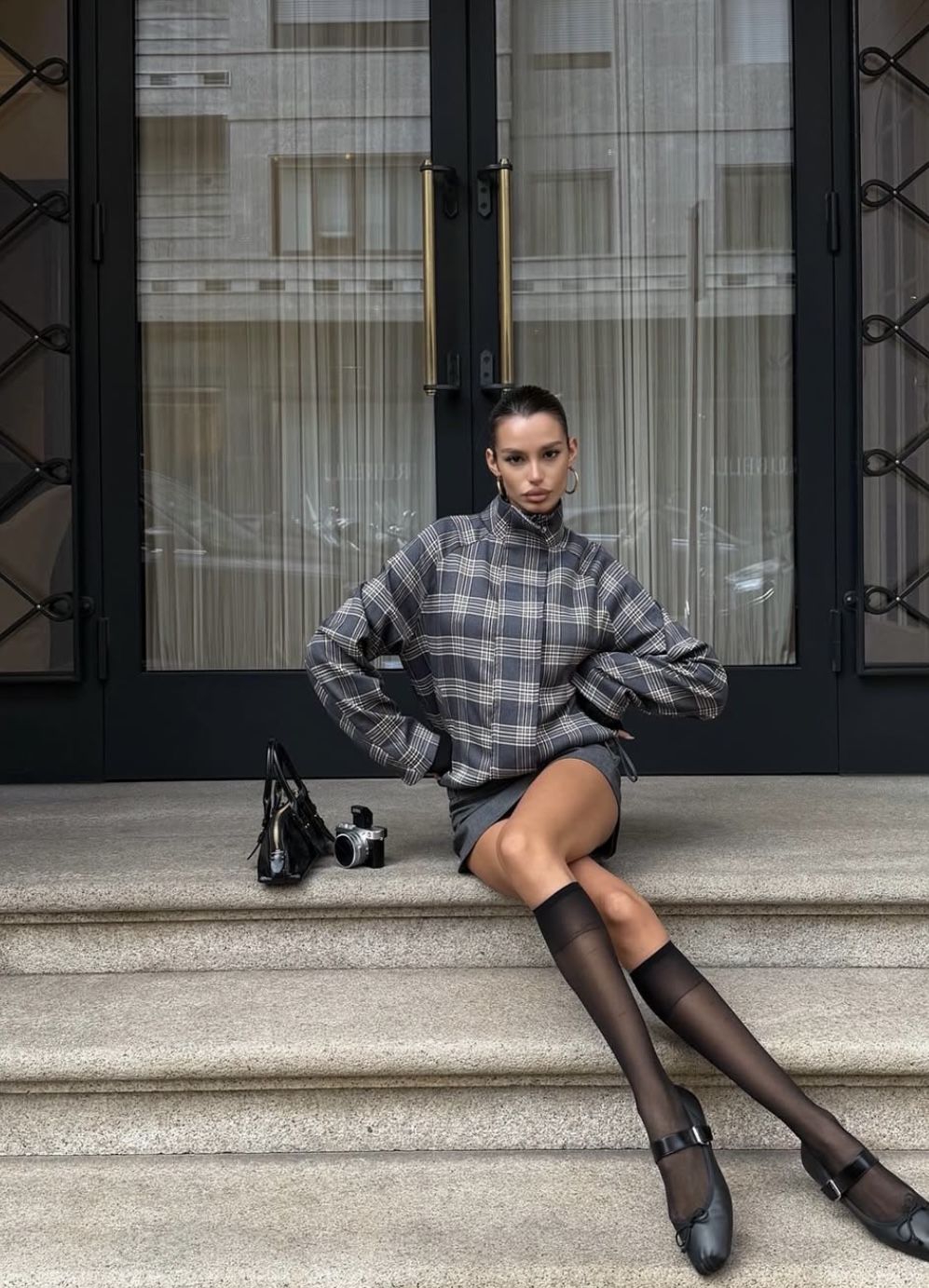
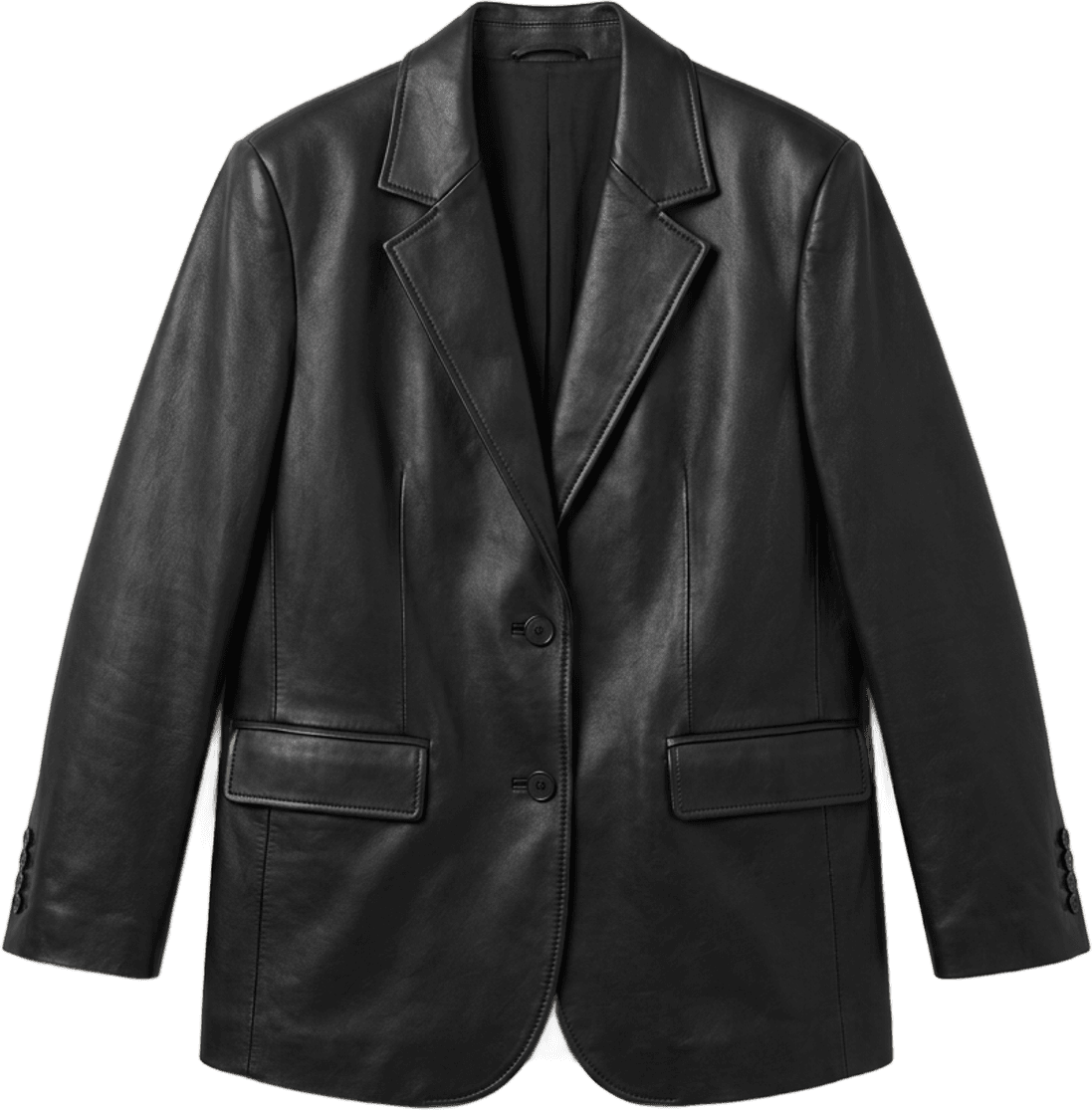
An all-black outfit in one flat fabric can look like a uniform. The same outfit in brushed wool, crisp cotton and soft leather looks expensive. Mixing finishes is the cheapest trick in the book. Try a ribbed knit with satin trousers, or a suede jacket over a cotton shirt. The colours stay quiet but the outfit has depth.
Minimal doesn't mean boring. It means every piece has a job.
Spend on the things you touch most
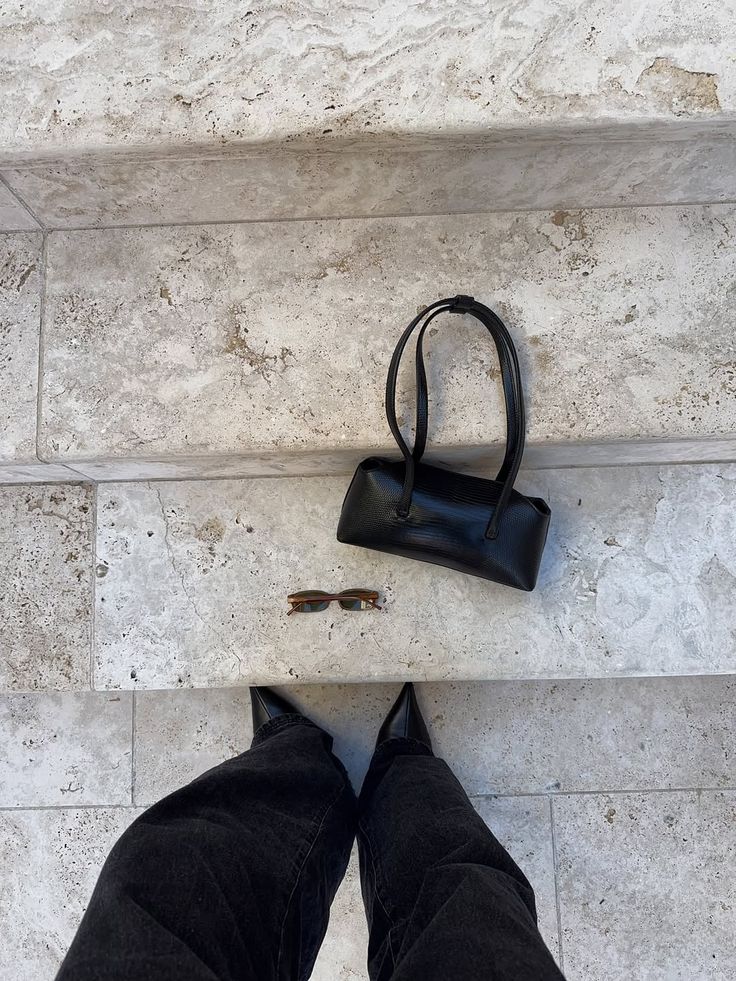
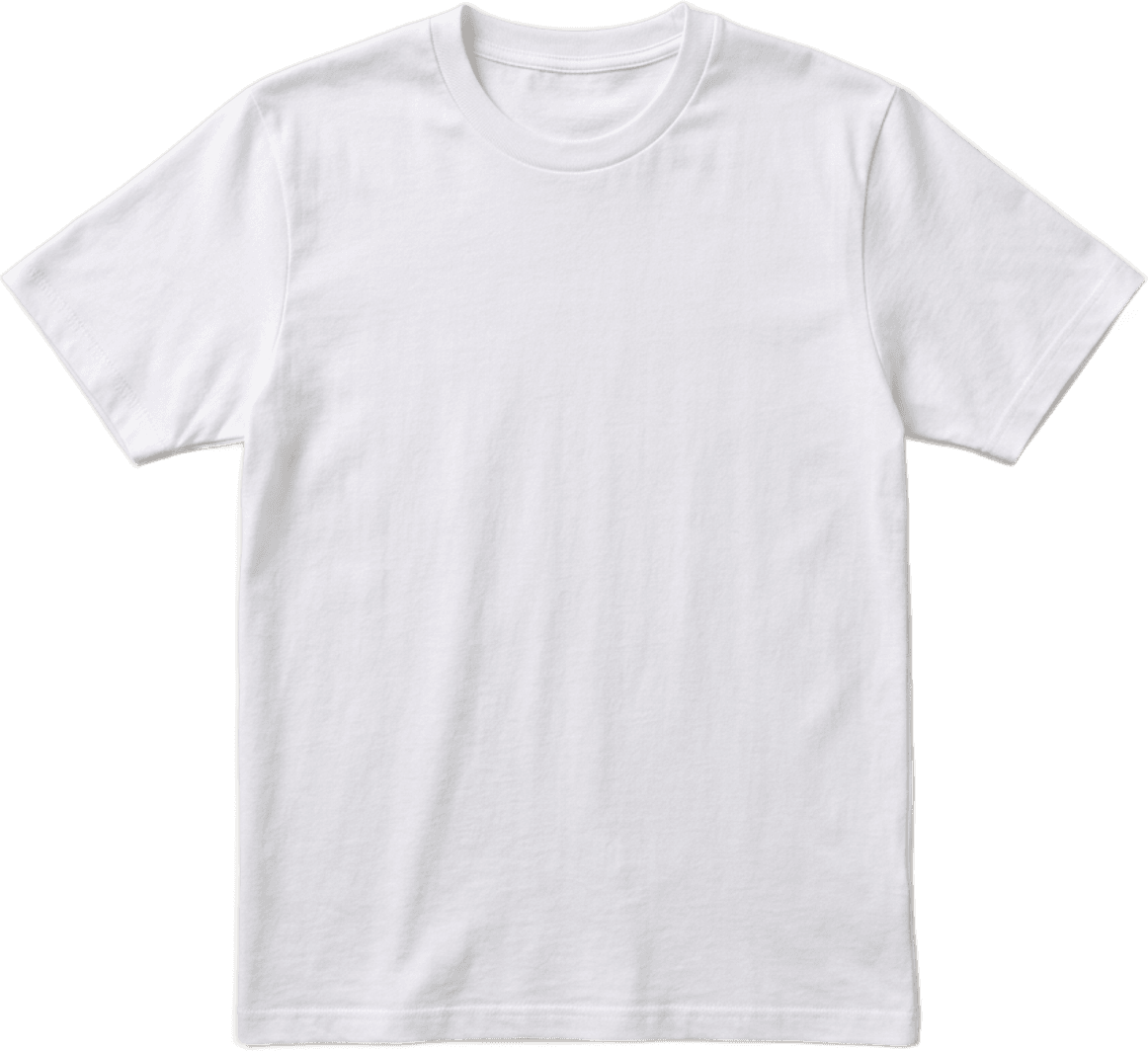
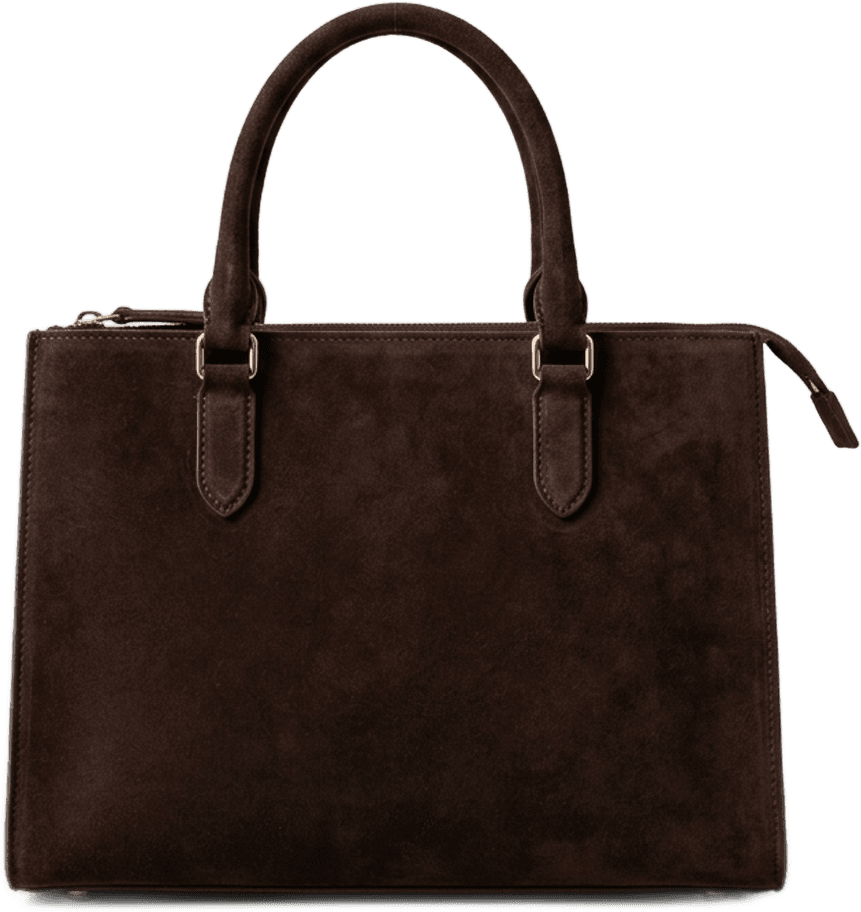
Shoes, coats and bags get the most wear, so that's where the budget goes. A good leather loafer from Russell & Bromley, a wool coat that fits across the shoulders, a bag that still looks decent after a year on the floor of the train. Basics like T-shirts and vests can come from Uniqlo or M&S without anyone noticing.
Fit beats price
A £40 pair of trousers that's been taken up properly will always look better than a £400 pair dragging on the floor. Find a local alterations shop and use it. Shortening hems, taking in a waist and adjusting sleeves cost very little and transform how clothes look. It's the one habit that separates people who look put together from everyone else.
Let the details show
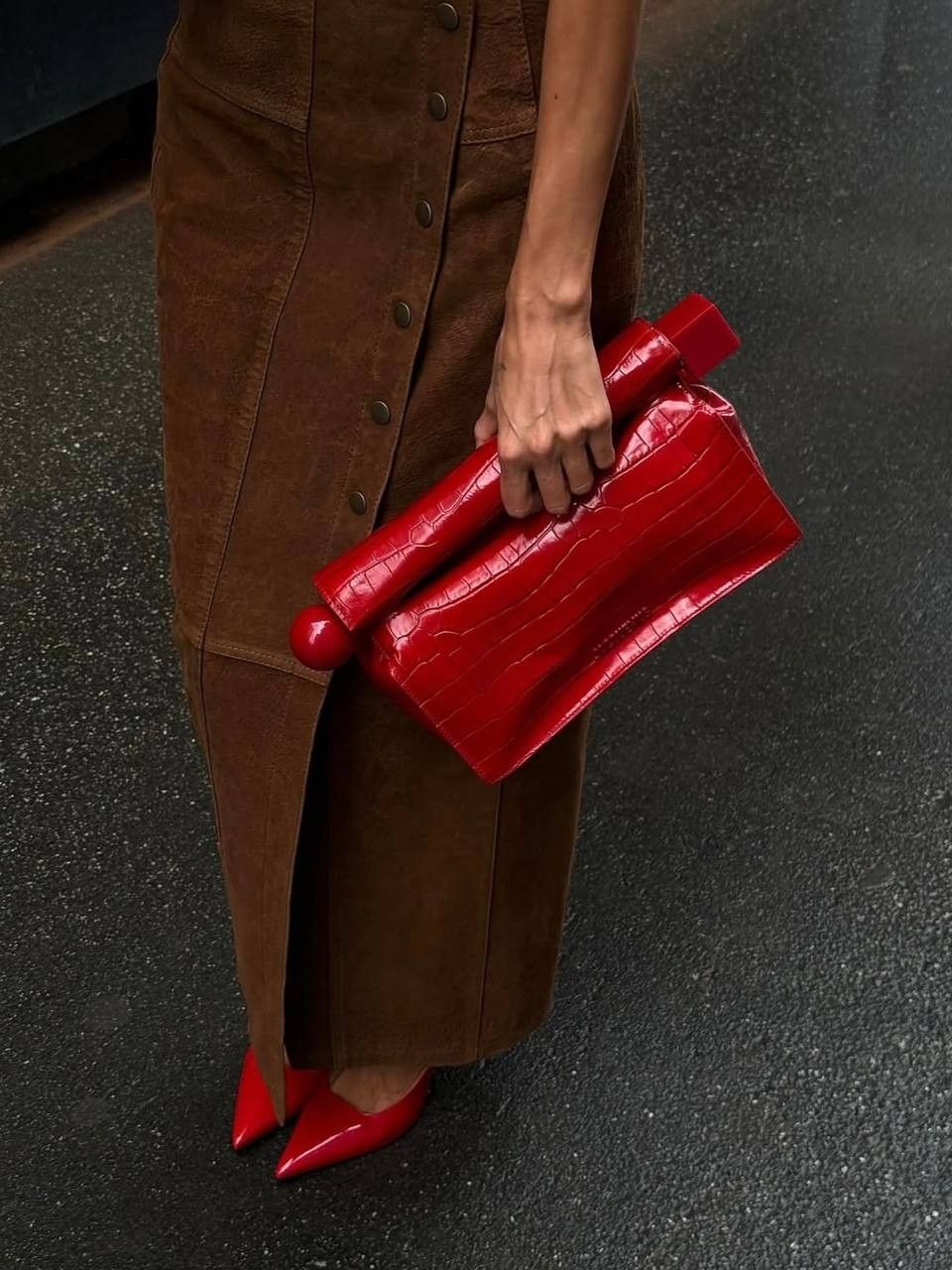
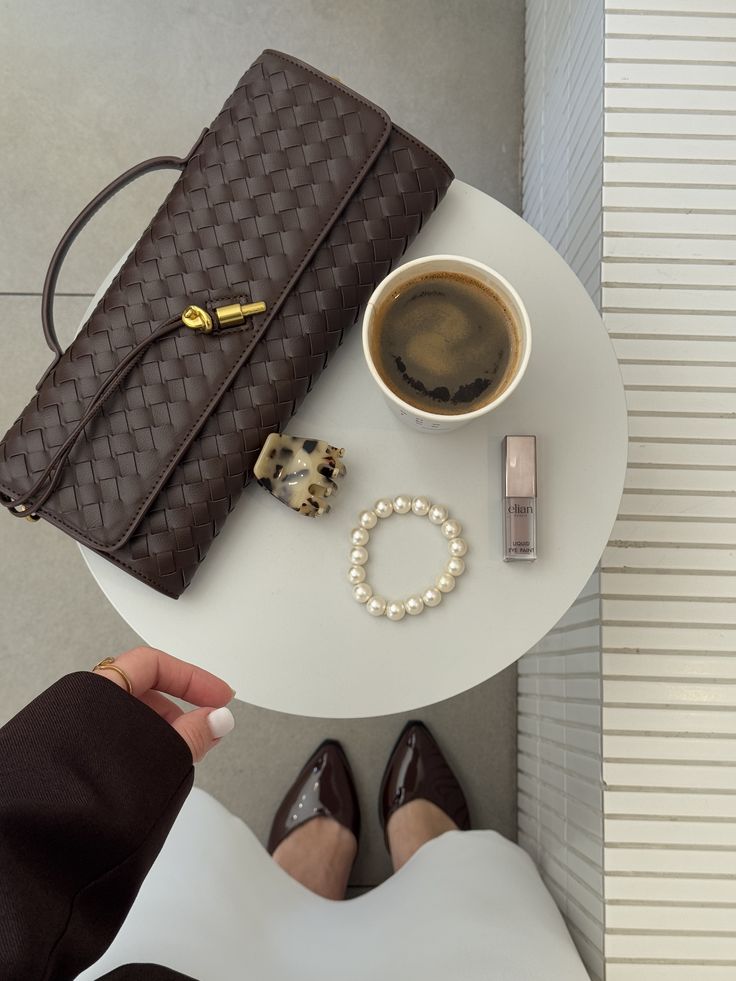
Minimal outfits leave room for small things to shine. A gold chain, a good watch, a silk scarf knotted on a bag strap, a sharp red lip. One detail is enough. More than that and the look tips into something else. Mejuri and Monica Vinader are reliable for everyday jewellery that doesn't shout.
Buy slowly
The biggest change is how you shop. Wait a week before buying anything that isn't a replacement. Ask whether it goes with three things you already own. Check the fabric label and walk away from anything that's mostly polyester. You'll buy less, spend about the same and actually wear all of it.
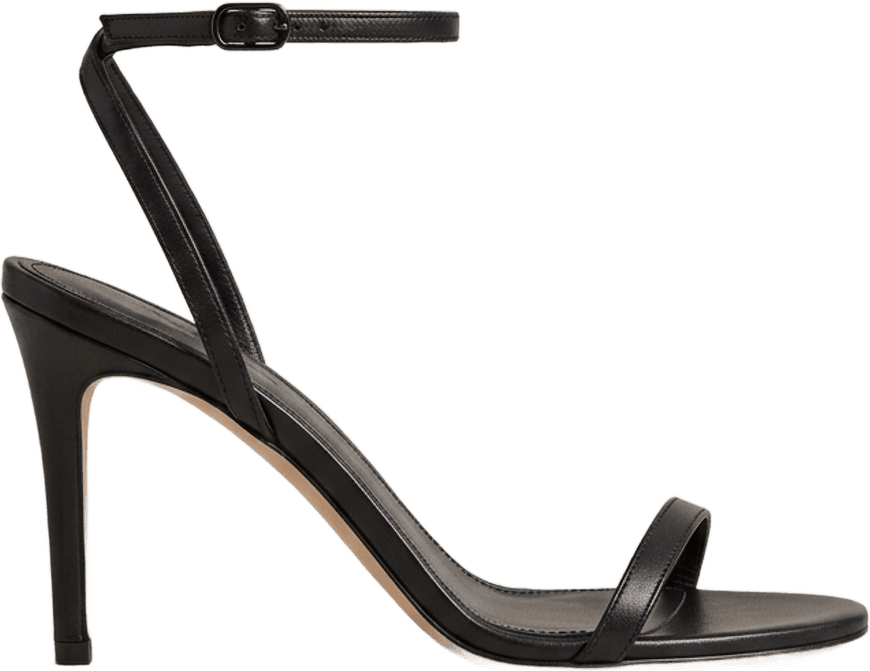
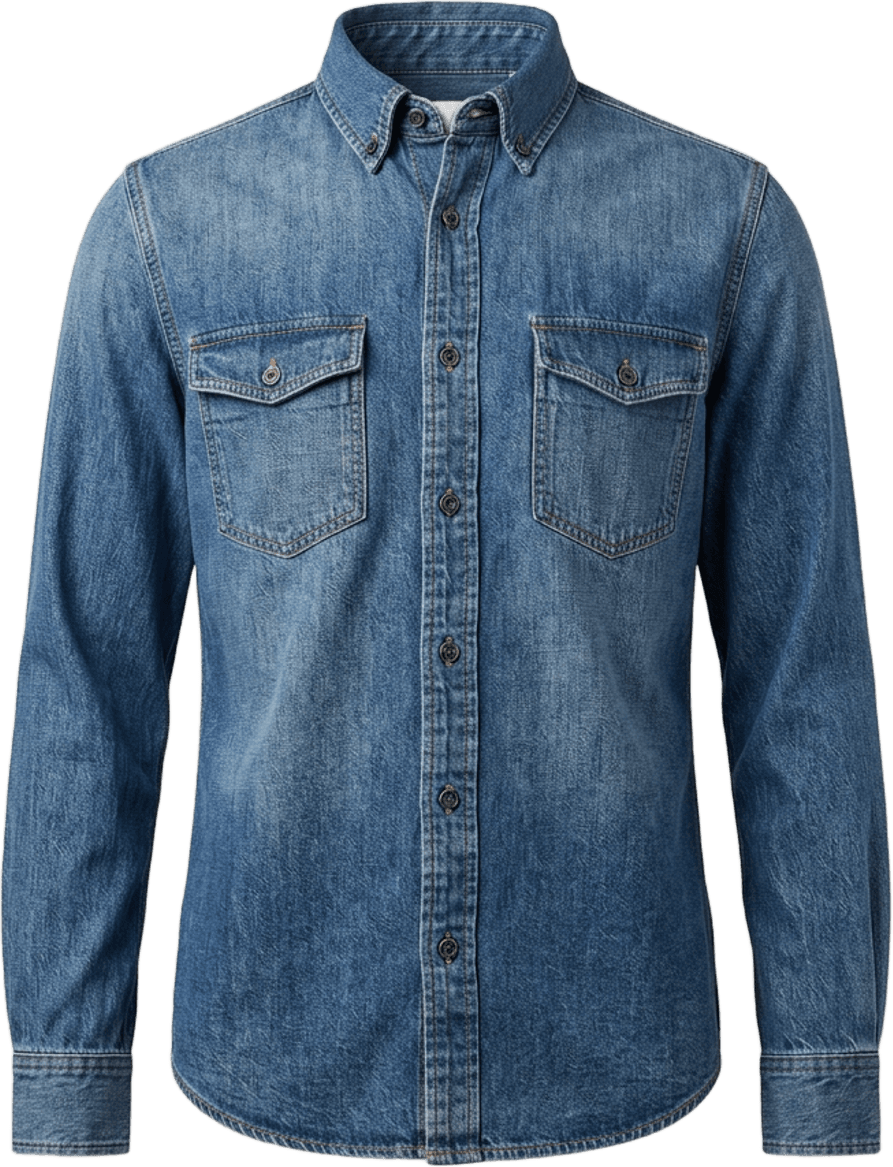
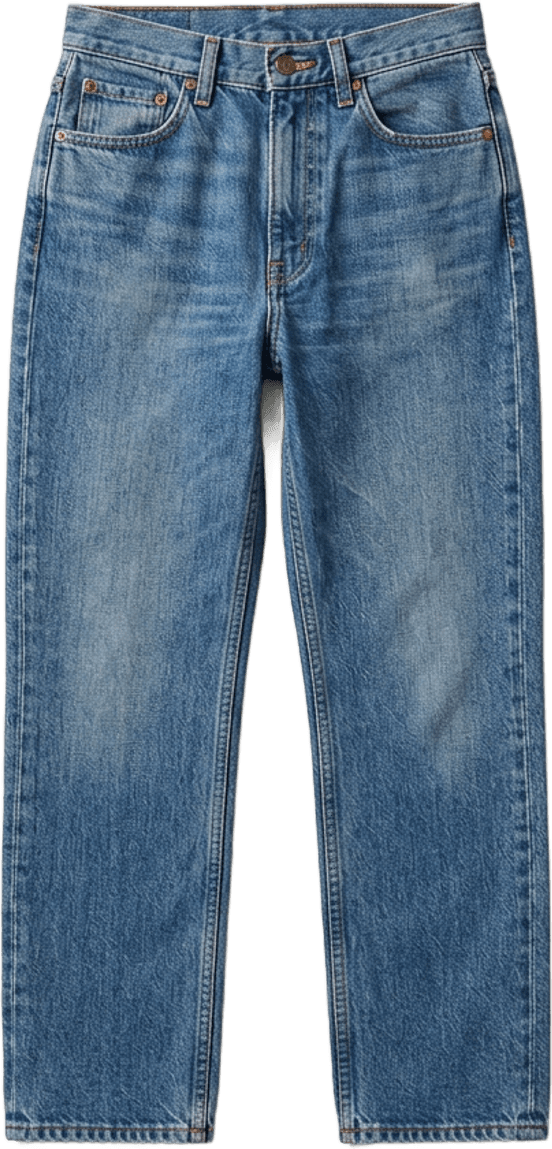
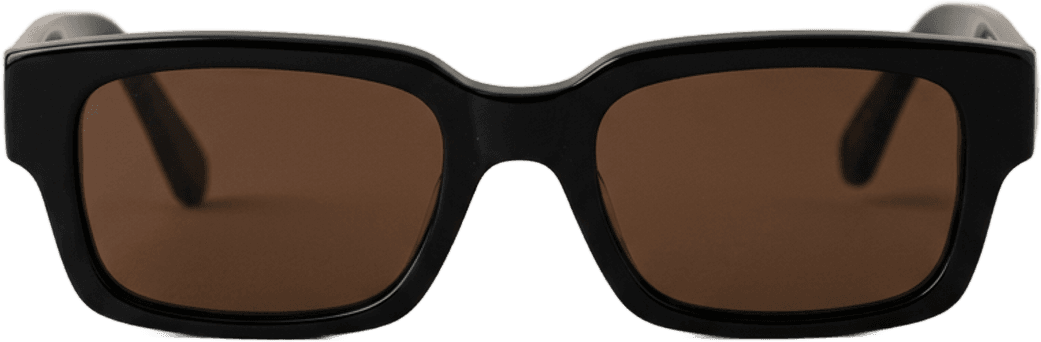
Our edit below picks out the pieces that make a minimal wardrobe work, from the basics worth buying on the high street to the few things worth saving for.
When minimal tips into boring
If every outfit is grey, black and beige in the same flat cotton, it starts to look like a uniform you didn't choose. Fix it with one point of interest: a good watch, a bright lip, a shoe with a great shape. Minimalism works best when there's one thing to look at.
Share this
More from Fashion
View all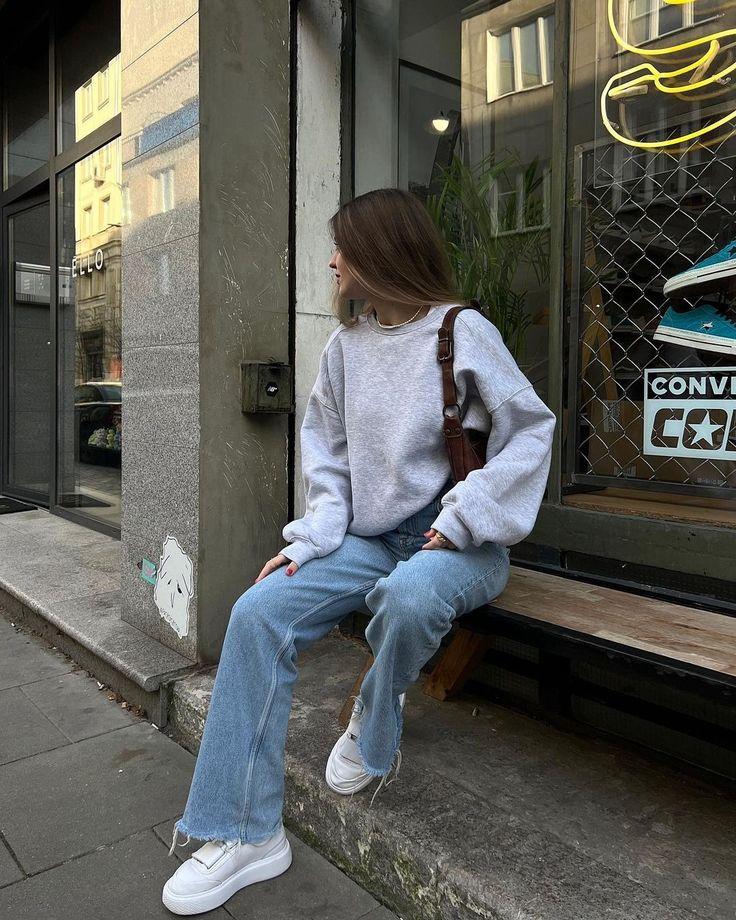
Fashion
Jumper and Jeans, Done Properly: Why the Laziest Outfit Is Also the Chicest
Read more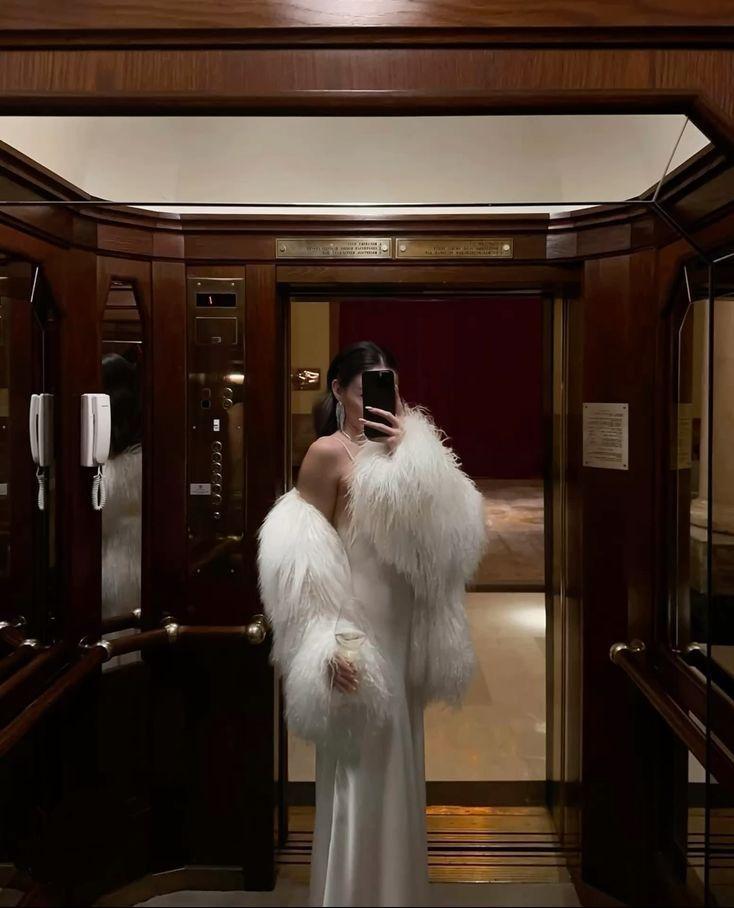
Fashion
What to Wear to a Winter Wedding: The Complete Guest Guide
Read more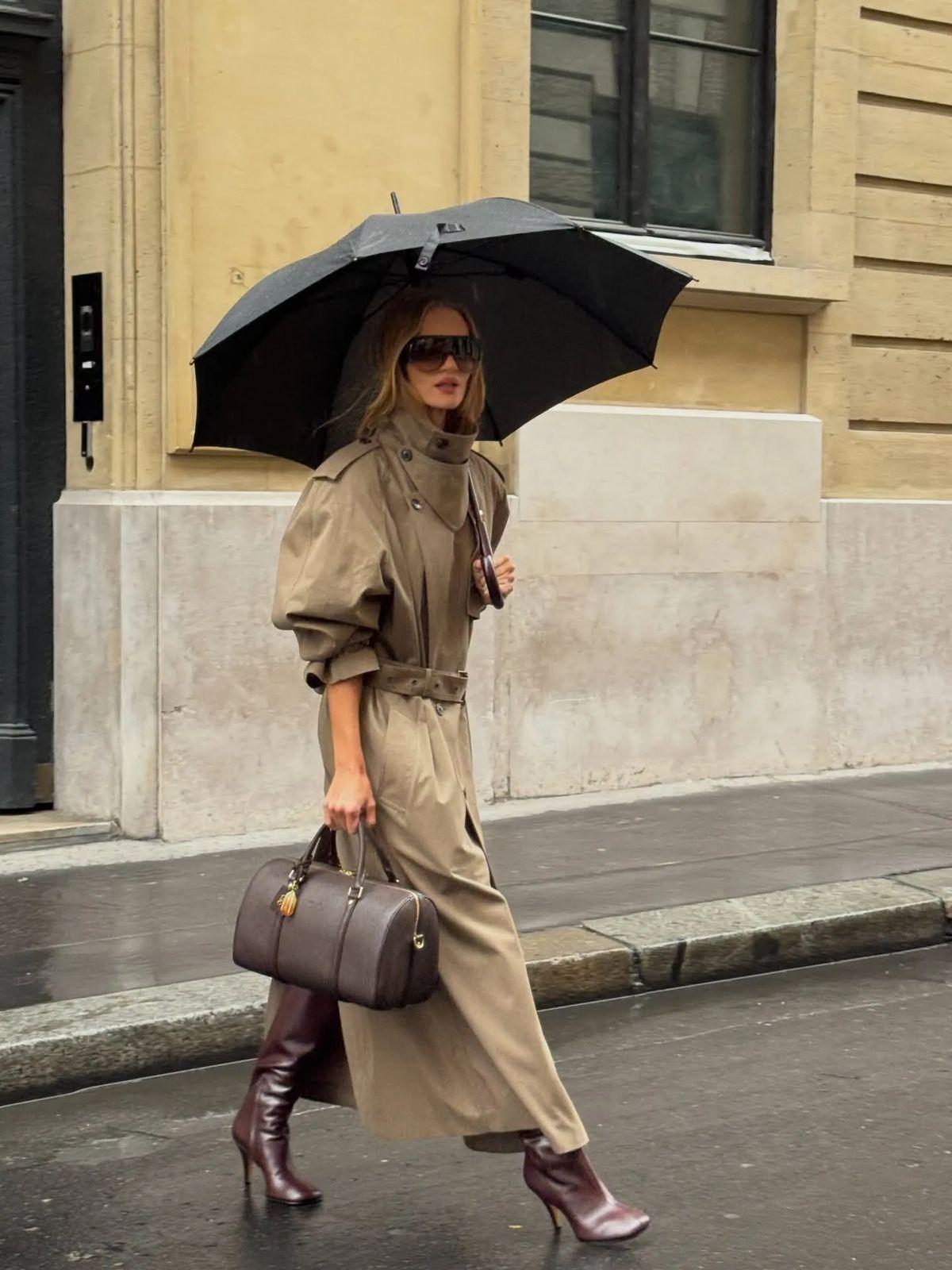
Fashion
How to Wear Boots With Literally Everything in Your Wardrobe
Read more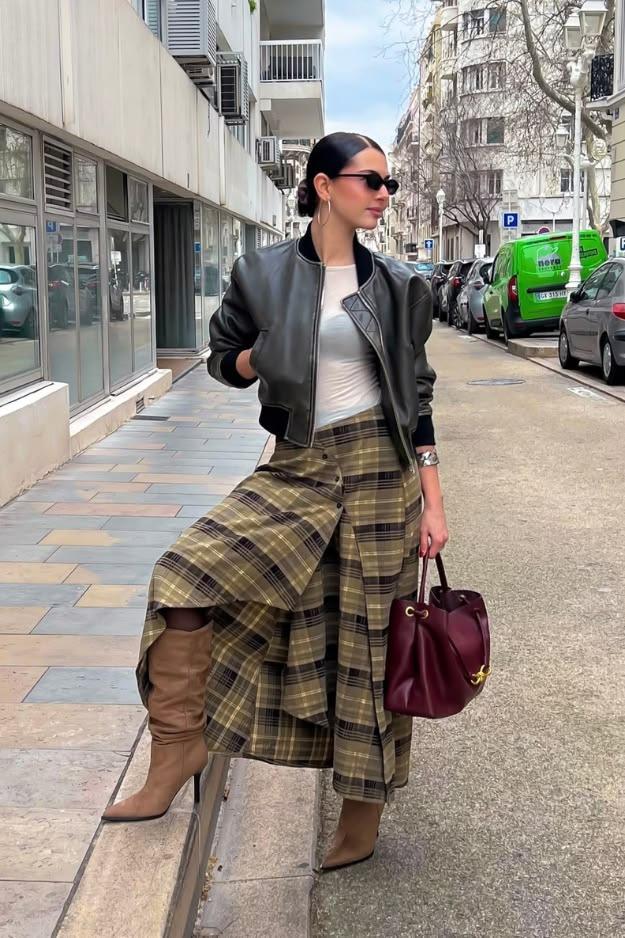
Fashion
Can't Get the Barbour Tartan Skirt? The Best Alternatives Under £200
Read more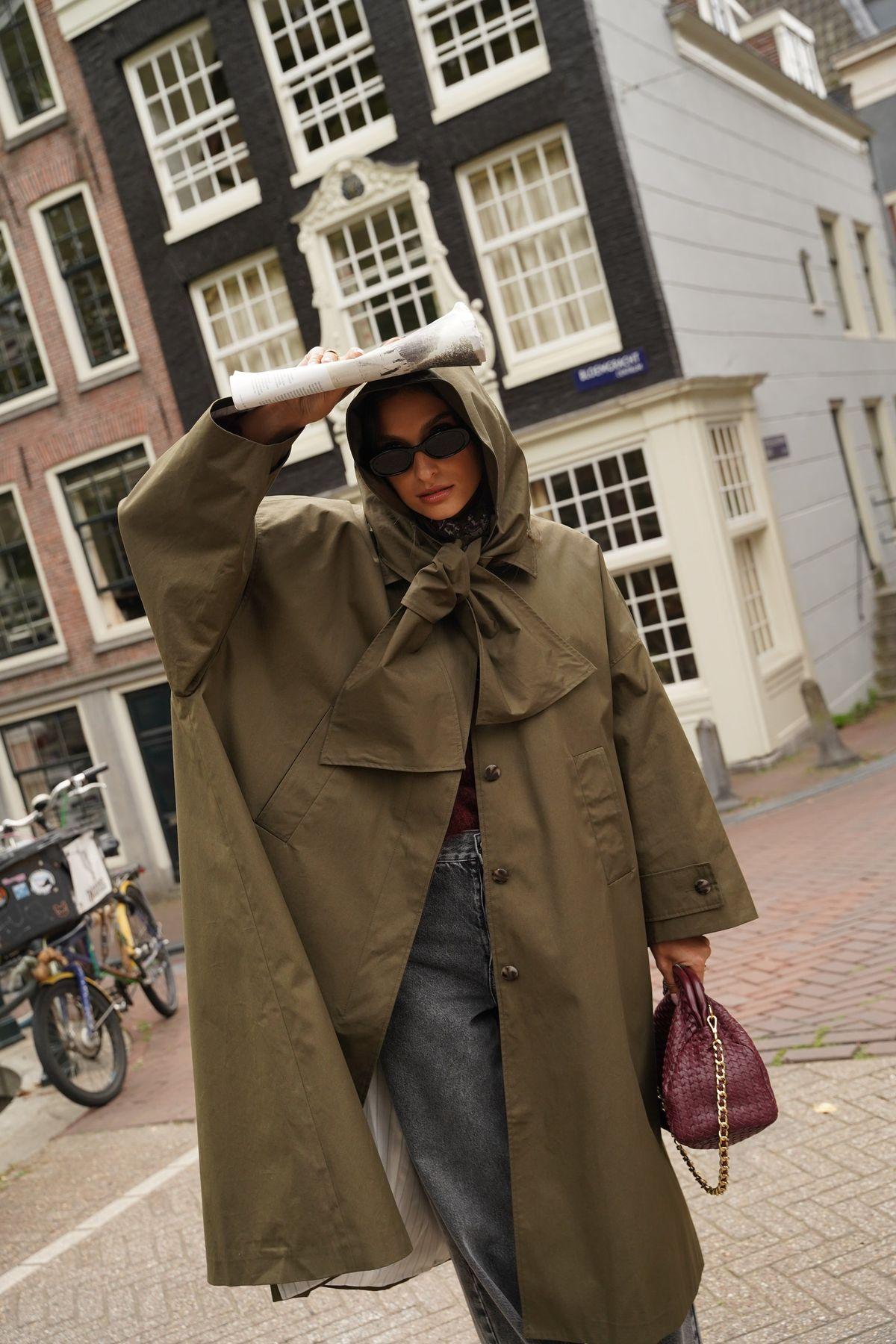
Fashion
The Raincoats That Don't Make You Look Like You're About to Climb Snowdon
Read more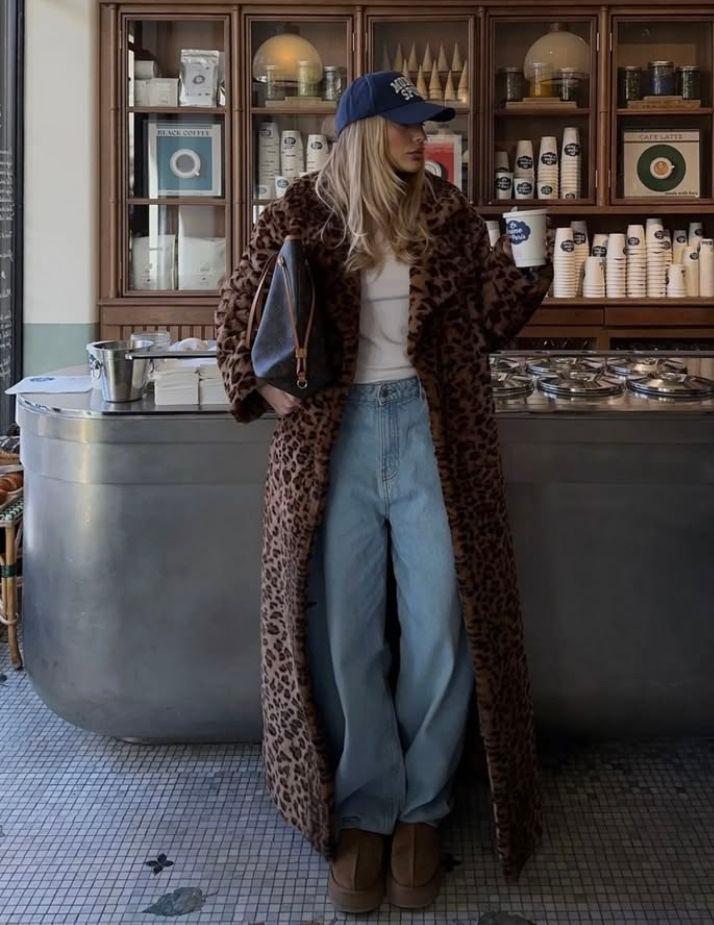
Fashion
Leopard Coats: Blame Alexa Chung. We Do
Read more
Fashion
Fur-Trim Coats Are Everywhere This Autumn. Here Are the Good Ones
Read more
Fashion
The Winter Buys That Are Actually Worth the Money (and the Ones That Aren't)
Read more